
-
Closed cup flash point tester

Closed Cup Flash Point Tester for Lubricants & Petroleum Products A Closed Cup Flash Point Tester determines the lowest temperature at which a lubricant, fuel, or petroleum product gives off vapors that can ignite when exposed to an ignition source. It is a critical safety test for fire hazard classification, transportation, and quality control. Test…
-
Petroleum Product Color Tester

Petroleum Product Color Tester A Petroleum Product Color Tester determines the color of lubricants, fuels, and other petroleum products using standardized methods. Color measurement is essential for quality control, contamination detection, and product classification. Test Standards for Petroleum Color Measurement ✅ ASTM D1500 – Standard Test Method for Color of Petroleum Products (ASTM Color Scale)✅…
-
Lubricating oil evaporation loss tester (Noack B method)
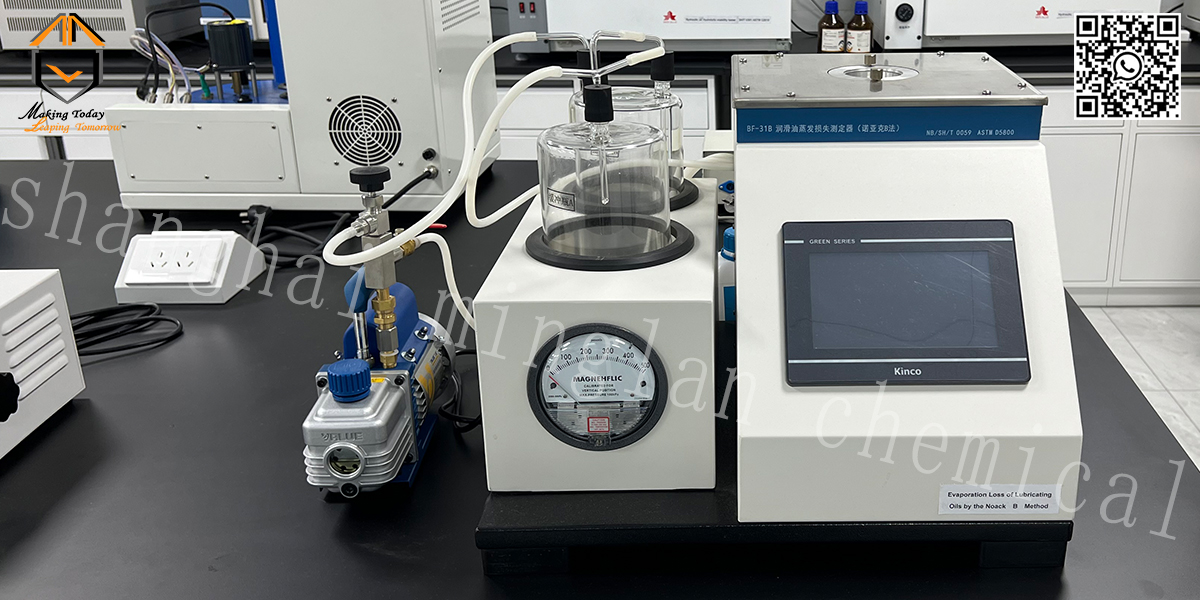
Lubricating Oil Evaporation Loss Tester (Noack B Method) A Noack Evaporation Loss Tester measures the volatility of lubricating oils, especially engine oils, transmission fluids, and industrial lubricants. It determines how much oil evaporates under high-temperature conditions, which is critical for ensuring oil stability, reducing consumption, and preventing deposits. Test Standards for Noack Volatility ✅ ASTM…
-
Shear stability tester for polymer oil
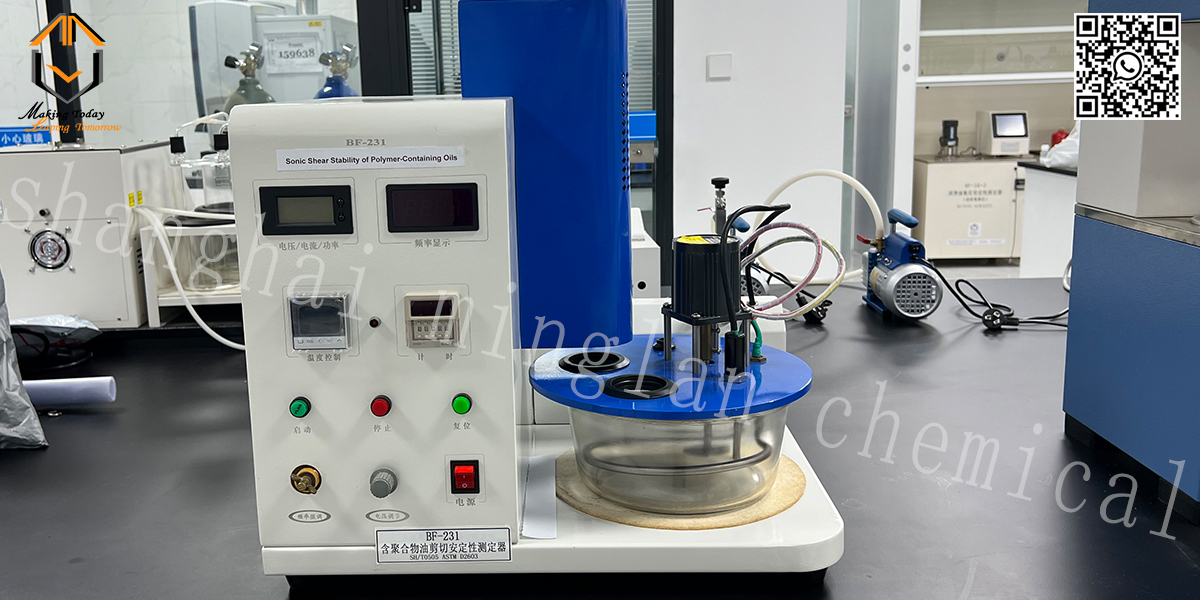
Shear Stability Tester for Polymer-Containing Oils A Shear Stability Tester evaluates the viscosity stability of polymer-containing lubricants, such as multigrade engine oils, hydraulic fluids, and gear oils, when subjected to mechanical shear stress. This test determines how polymer-based lubricants resist breakdown under high-pressure conditions, which is essential for maintaining long-term viscosity performance. Test Standards ✅…
-
Lubricating oil air release value tester

Lubricating Oil Air Release Value Tester A Lubricating Oil Air Release Value Tester measures the ability of lubricating oils, hydraulic fluids, and turbine oils to release entrained air. This property is critical for preventing foam formation, maintaining lubrication performance, and ensuring reliable operation in high-speed machinery. Test Standards ✅ ASTM D3427 – Standard Test Method…
-
Petroleum and synthetic fluid water separation tester
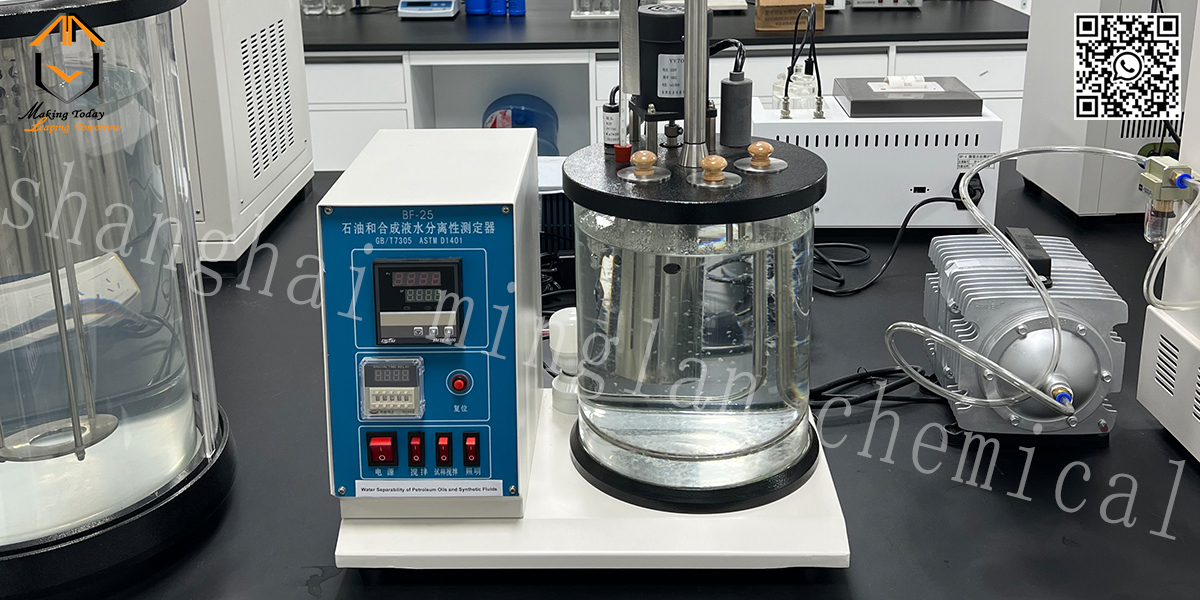
A Petroleum and Synthetic Fluid Water Separation Tester designed for GB/T 7305 and ASTM D1401 standards is used to evaluate the demulsibility (water separation ability) of petroleum-based and synthetic oils. Key Features of the Tester ✅ Test Standards: Complies with ASTM D1401 (Standard Test Method for Water Separability of Petroleum Oils and Synthetic Fluids) and…
-
Lubricating oil demulsification performance tester
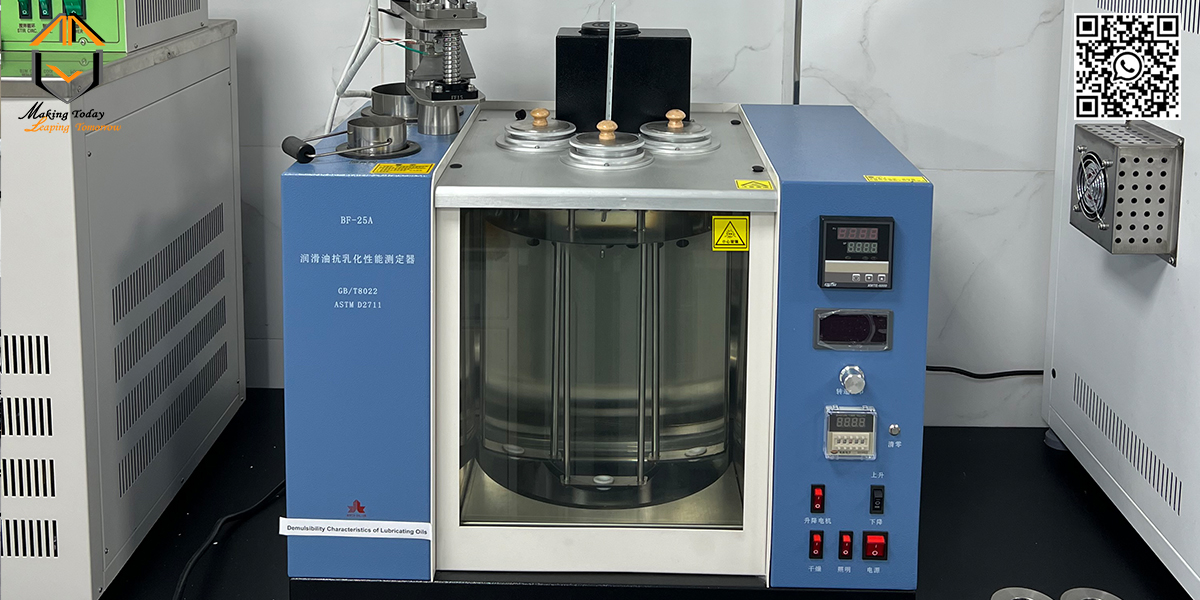
Lubricating Oil Demulsification Performance Tester (ASTM D1401 / SH/T 0301) A lubricating oil demulsification performance tester evaluates an oil’s ability to separate from water. This is crucial for turbine oils, hydraulic fluids, and gear oils, as poor demulsibility can cause emulsion formation, poor lubrication, and system failure. 1. Test Standard: ASTM D1401 / SH/T 0301…
-
Lubricating oil anti-foam tester
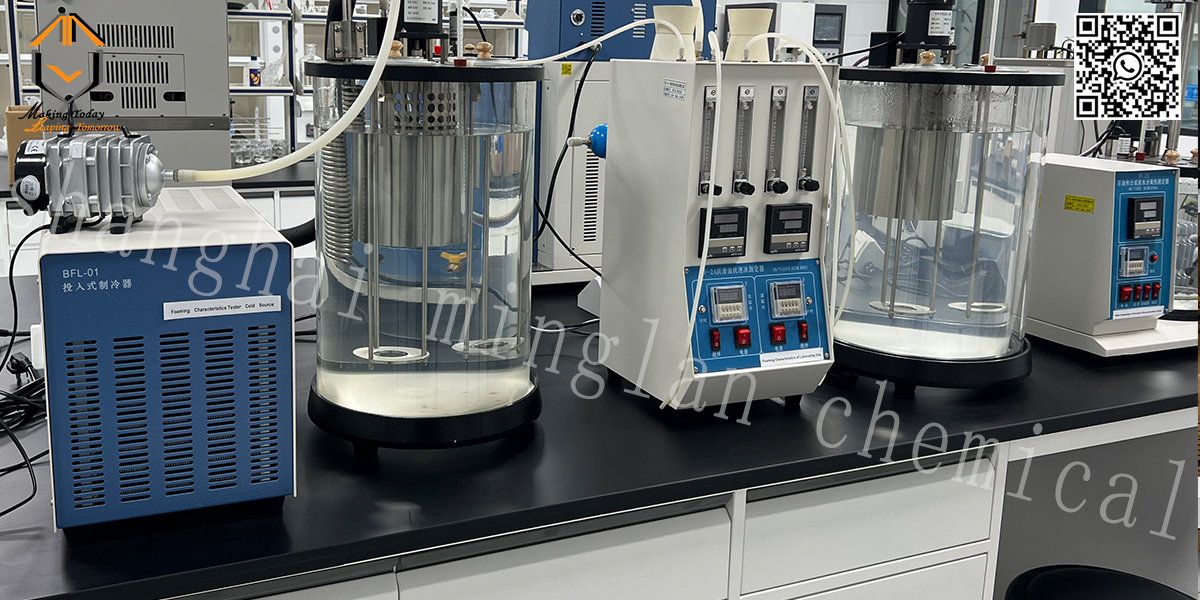
Lubricating Oil Anti-Foam Tester – ASTM D892 The Anti-Foam Test for Lubricating Oils (ASTM D892) evaluates an oil’s ability to resist foam formation and break down foam efficiently. This test is crucial for engine oils, hydraulic fluids, gear oils, and turbine oils, as excessive foam can cause poor lubrication, cavitation, and system failure. 1. Equipment…
-
Lubricating oil oxidation stability tester (rotating oxygen bomb method)

Lubricating Oil Oxidation Stability Tester (Rotating Oxygen Bomb Method) – ASTM D2272 The Rotating Oxygen Bomb (ROB) Test, also known as ASTM D2272, is a widely used method to evaluate the oxidation stability of lubricating oils by measuring the time it takes for oil to react with oxygen under accelerated conditions. This test is essential…
-
Block-on-Ring Wear Tester
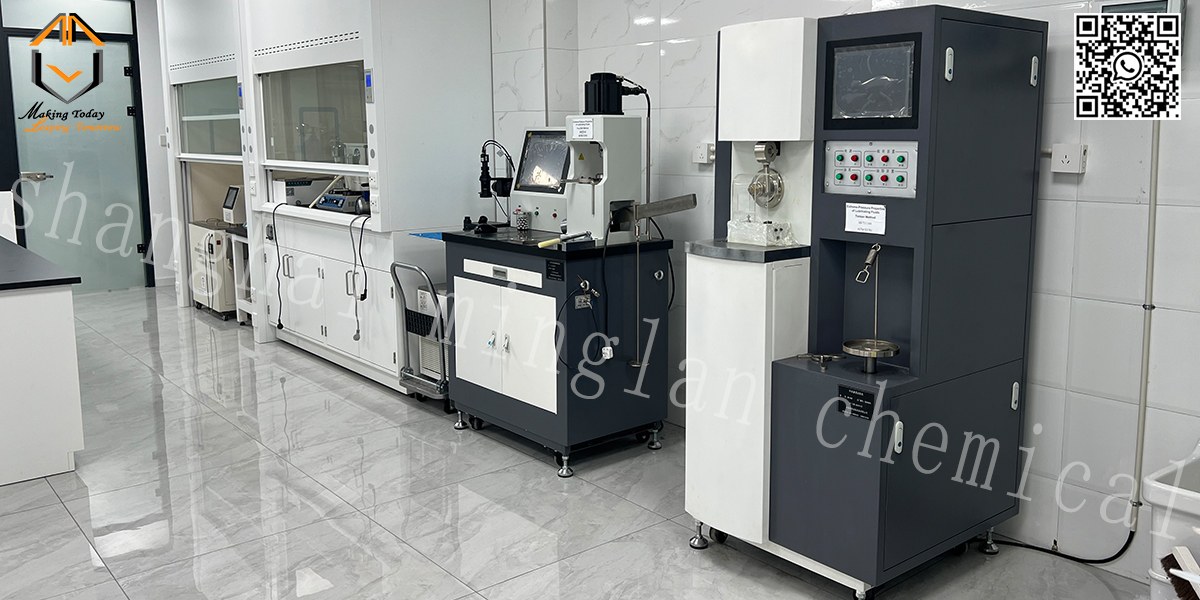
Block-on-Ring Wear Tester (ASTM D2714, ASTM G77) A Block-on-Ring Wear Tester is used to evaluate the friction, wear resistance, and load-carrying capacity of lubricants, coatings, and materials under sliding contact conditions. It is commonly applied in lubricating oil, grease, metal coatings, and additive performance testing. 1. Key Applications ✅ Lubricant Testing: Evaluates the wear protection…