
-
Choice What is the best additive for motor oil?
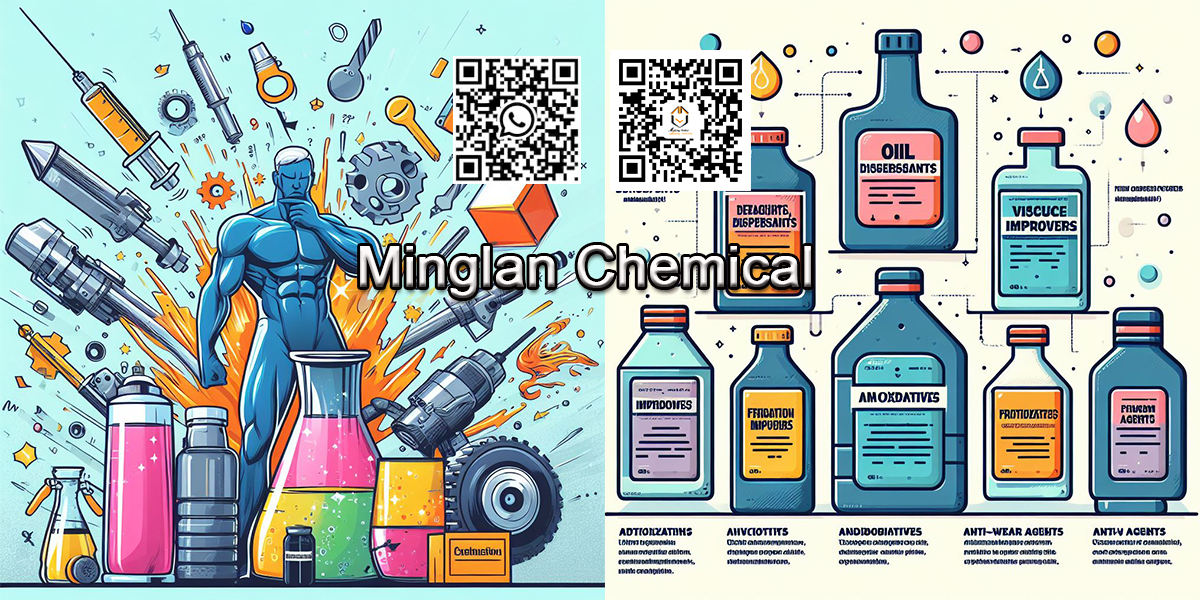
With the continuous development of automobile technology, engine oil additives play an increasingly important role in protecting the engine. First, we need to understand why we add engine oil additives. Oil additives are chemicals that can improve engine oil quality, increase engine efficiency, reduce wear and reduce fuel consumption. In modern cars, the engine is…
-
Defoaming agents in lubricants: key roles and practical applications
Lubricating oil plays a vital role in the operation of mechanical equipment, reducing friction, reducing wear, cooling, cleaning and preventing corrosion. However, in lubricants, foam formation and stabilization are often a common problem. Foam will reduce the cooling effect of the lubricating oil, prevent its even distribution, and even cause machine failure. Therefore, defoaming agents…
-
Maximizing Performance: Unleashing the Power of CK-4/E11 Diesel Engine Oil Additive
Great ! HRD9209 CK-4/E11 diesel engine oil additive package
-
Choice What are the anti-wear additives in hydraulic oils?
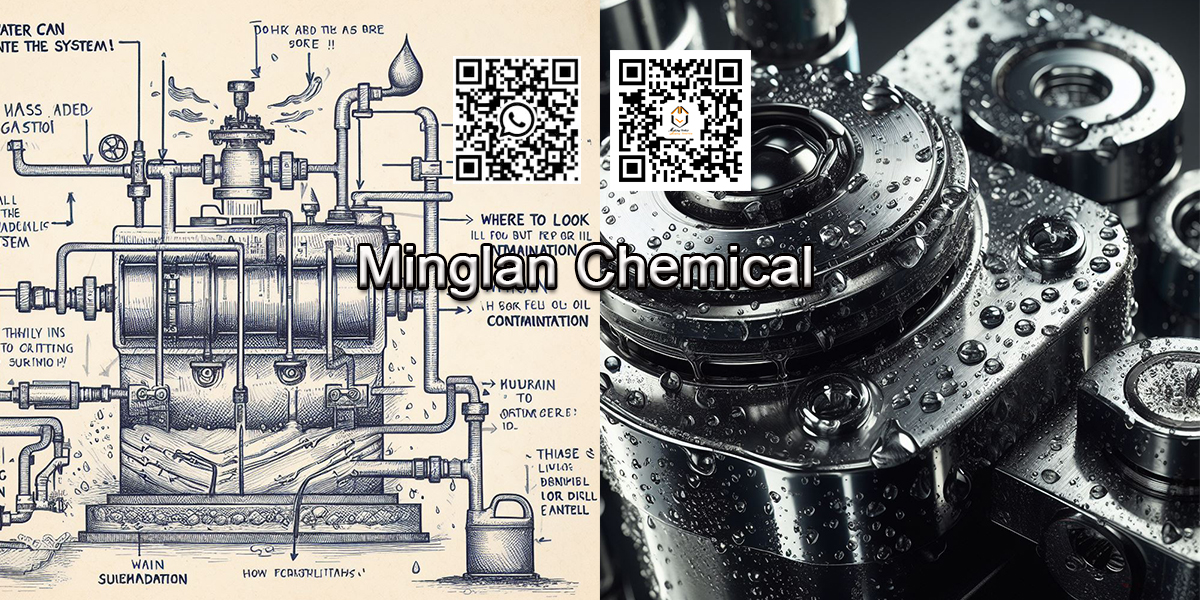
Antiwear additives in hydraulic fluids are typically zinc dialkyldithiophosphate (ZDDP) compounds. These additives form a protective film on metal surfaces, reducing friction and preventing wear. Antiwear additives in hydraulic oils: types and effects Hydraulic oil is a liquid medium widely used in industry and manufacturing. It transmits power in a closed system and drives the…
-
What kind of motor oil contains a large amount of viscosity index improver?
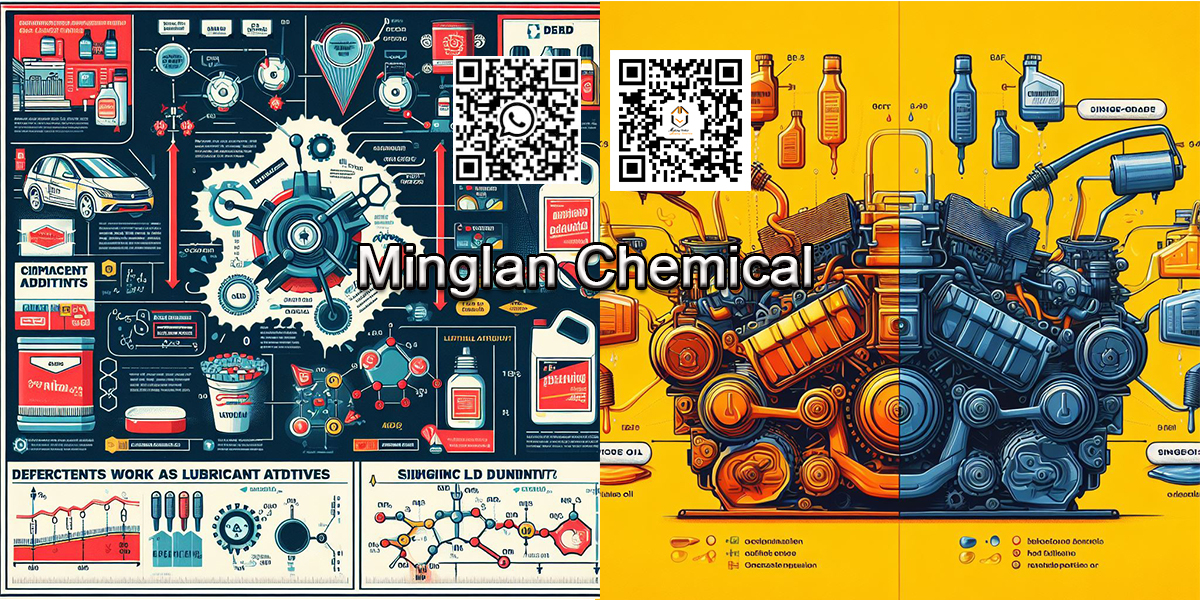
Motor oils that contain a large amount of viscosity index improver (VII) are typically multi-grade oils with a wide viscosity range, especially those labeled with a large difference between the “W” (cold) and high-temperature grade. 🛢️ Examples of Motor Oils High in Viscosity Index Improvers Motor Oil Grade VII Content Comments 0W-40 Very High Widely…
-
What are the protective additives in lubricating oils?

Protective additives in lubricating oils are compounds added to the oil’s formula to enhance its performance and provide additional protection to the engine or machinery in which it is used. Some common protective additives in lubricants include: These are just a few examples of the many protective additives used in lubricants. The specific formulation and…
-
Are the choices between ethylene, propylene and EPDM the same?
aThe choice of ethylene, propylene and EPDM in lubricants is different. Next, we will analyze the differences between these three keywords in lubricants from various angles. First, let’s understand what ethylene, propylene and EPDM are. Ethylene is an organic compound with high molecular weight and low unsaturation that is often used to make plastics and…
-
What is the purpose of choosing molybdenum dithiocarbamate?
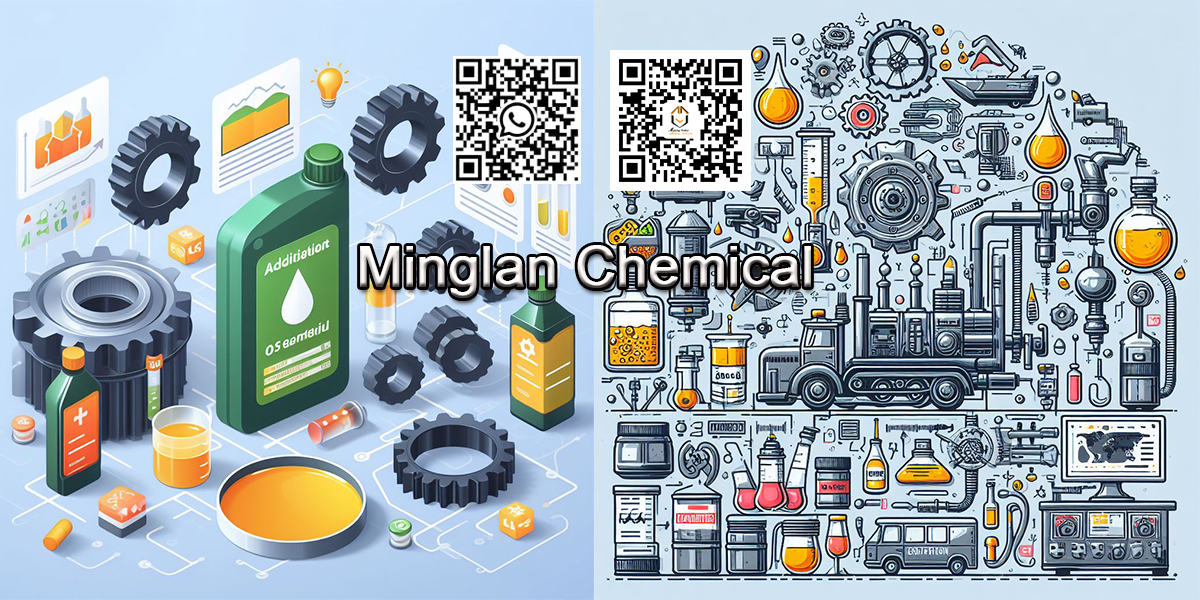
Select Molybdenum dithiocarbamate is an important organomolybdenum compound with a wide range of uses. This article will introduce the application and mechanism of action of selected molybdenum dithiocarbamates in two main areas to better understand its importance. In the field of lubricants, molybdenum dithiocarbamate is a common additive. It has good lubrication properties and antioxidant…
-
What is turbine worm oil?
With the continuous development of science and technology, turbine and worm technology is widely used in various machinery and automobile fields. However, the application of this technology also brings some challenges, the most significant of which is lubrication. In order to solve this problem, turbine worm oil came into being. Turbine worm oil is a…
-
What are some examples of dispersant selection?

In industrial production and laboratory research, dispersant is an important chemical additive, mainly used to improve the dispersion properties of substances. Dispersants are additives that help keep solid particles, sludge and contaminants suspended in the oil, preventing them from settling and forming deposits. By adding dispersants, solid particles can be evenly dispersed in liquids, improving…