
-
Which detergents to use in your engine oil?

In the normal operation of the engine, engine oil plays a vital role. As a lubricant, engine oil can reduce friction and reduce temperatures inside the engine, while also cleaning. However, engine oil alone cannot meet all the needs of the engine, so some specific detergents need to be added to keep the engine clean…
-
Viscosity Index and ISO Standards: Comparison and Practical Application Analysis

Viscosity index is a measure of the impact of fluid viscosity on temperature changes, and ISO standards are various standards formulated by the International Organization for Standardization. Viscosity index and ISO standard seem to be two unrelated concepts, but they have similarities and differences in some aspects. This article will explore the meaning of viscosity…
-
What are the uses for choosing petroleum magnesium sulfonate?

Petroleum magnesium sulfonate is a key type of metallic detergent additive used in lubricants and fuel formulations. Its main role is to neutralize acids, disperse soot and sludge, and prevent corrosion, especially in engine oils and industrial lubricants. 🧪 What Is Petroleum Magnesium Sulfonate? 🔧 Key Uses of Petroleum Magnesium Sulfonate: 1. 🛢️ Engine Oils…
-
What is a suds suppressor?
Foam generation and stabilization is a common problem in many industrial and scientific fields. These foams can have a negative impact on the production process, product quality and the environment. Definition of antifoaming agent A suds suppressor is a chemical substance that inhibits the production of foam. It achieves the purpose of foam suppression by…
-
Is there a relationship between the pour point and viscosity of oil?
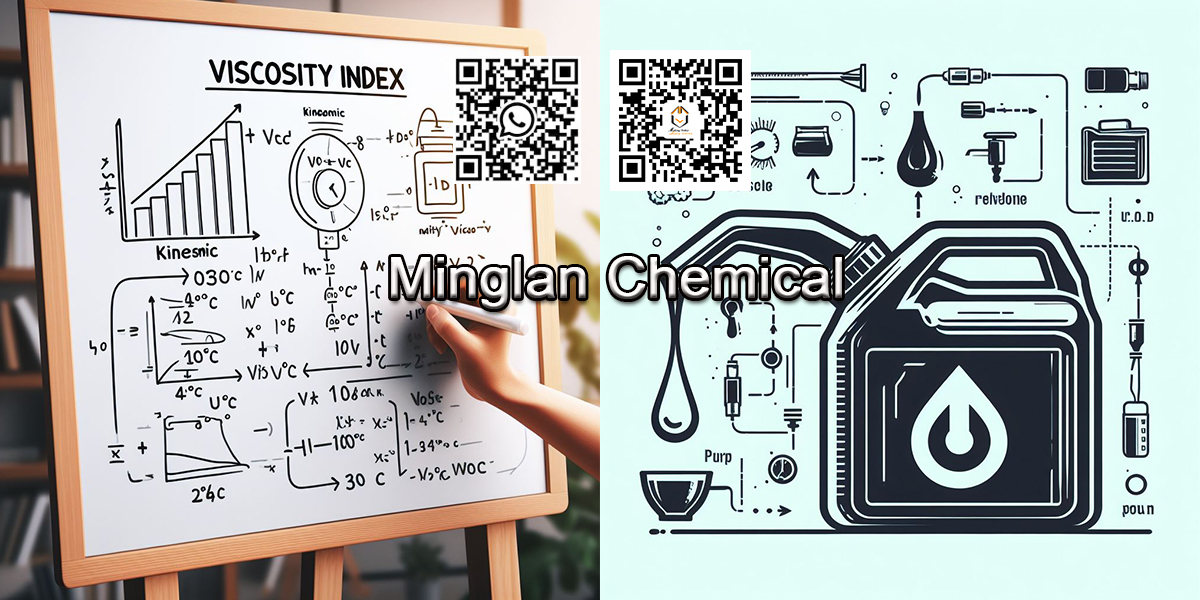
In the field of petrochemical industry, oil products are very important industrial raw materials. For the use and processing of oil, we need to understand many of its properties, including pour point, viscosity, etc. So, is there a relationship between the pour point and viscosity of an oil? This article will explore this. First, let’s…
-
Are there any additives that can remove moisture from hydraulic oil?

Yes, there are additives that can remove moisture from hydraulic fluid. These additives are often called demulsifiers or water separators. They are designed to break the emulsification between water and oil, allowing the water to separate and be removed from the system. Hydraulic oil is an indispensable lubricant and energy transmission medium in mechanical equipment.…
-
Choosing whether you need friction modifier?
With the progress of society and the development of science and technology, our lives have been affected by various factors. Among them, friction modifiers, as a key player in the field of materials science, have also received widespread attention. First, we need to understand what a friction modifier is. A friction modifier is a substance…
-
What is the role of choosing anti-wear additives?

The purpose of anti-wear additives in lubricating oils is to reduce friction and wear between metal surfaces. These additives form a protective film on the surface, preventing direct metal-to-metal contact and minimizing wear. In modern industrial production, equipment wear and loss are important factors affecting production efficiency and costs. In order to reduce wear and…
-
What is an oil viscosity modifier?
Oil viscosity modifiers are additives added to lubricating oil to enhance its viscosity-temperature relationship. It is used to reduce the effect of temperature changes on oil viscosity, making it more stable and suitable for use under various operating conditions. Viscosity modifiers help the oil maintain its viscosity at high and low temperatures, allowing it to…
-
What are PPDs in oil and gas?
In the oil and gas industry, PPDs stand for Pour Point Depressants. These are chemical additives used to lower the pour point of crude oil or refined products such as diesel, lubricants, or base oils. 🧪 What is Pour Point? The pour point is the lowest temperature at which an oil or fuel will still…