

-
Industrial Lubricant Additive: The Core Driving Force Behind High-Performance Industrial Lubrication
In the complex and rigorous field of industrial production, lubrication is the lifeline of mechanical equipment. It reduces friction and wear between moving parts, dissipates heat, and extends the service life of equipment, ensuring the stable and efficient operation of the entire production line. Among them, industrial lubricant additives play a pivotal role that cannot… Read more
-
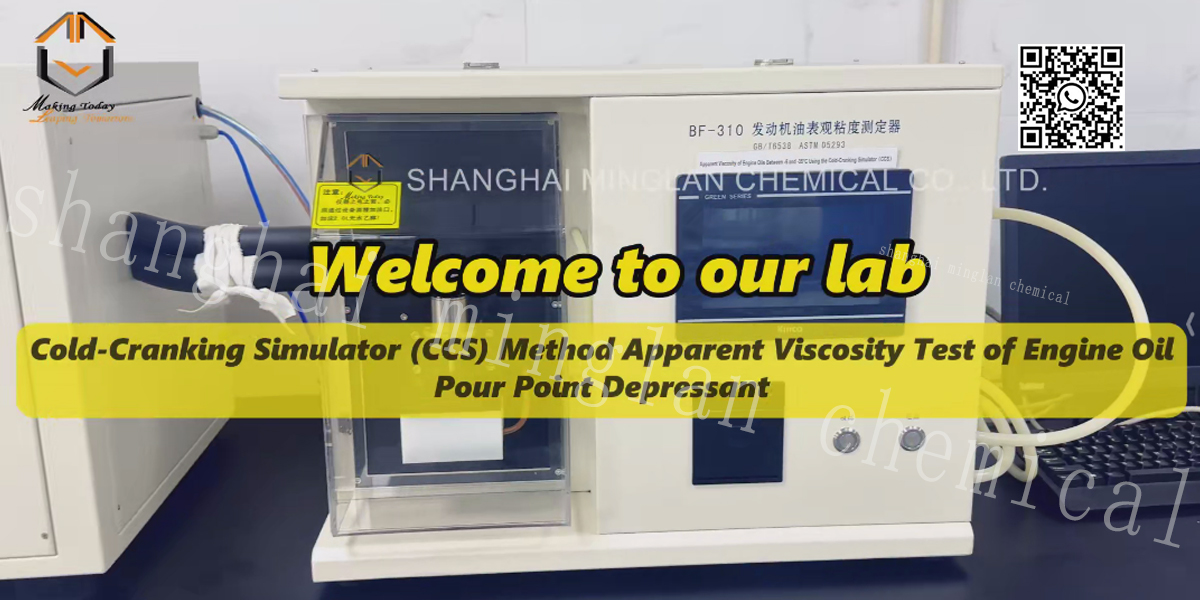
Determination of apparent viscosity of engine oils—Using the cold-cranking simulator
Determination of Apparent Viscosity of Engine Oils Using the Cold-Cranking Simulator (ASTM D5293 / ISO 2909) 🔹 Purpose of the Test The Cold-Cranking Simulator (CCS) test evaluates the low-temperature viscosity of engine oils. This is essential because: ✅ Ensures proper engine startup in cold weather✅ Determines oil flow characteristics at low temperatures✅ Prevents excessive engine… Read more
-

Standard test method for determination of load-carrying capacity of lubricants-Four-ball method
Standard Test Method for Determination of Load-Carrying Capacity of Lubricants – Four-Ball Method (ASTM D2783 / ISO 20623) 🔹 Purpose of the Test The Four-Ball Method evaluates the load-carrying capacity of a lubricant by measuring its ability to prevent wear and withstand extreme pressure (EP) conditions. This test is commonly used for: ✅ Gear oils… Read more
-
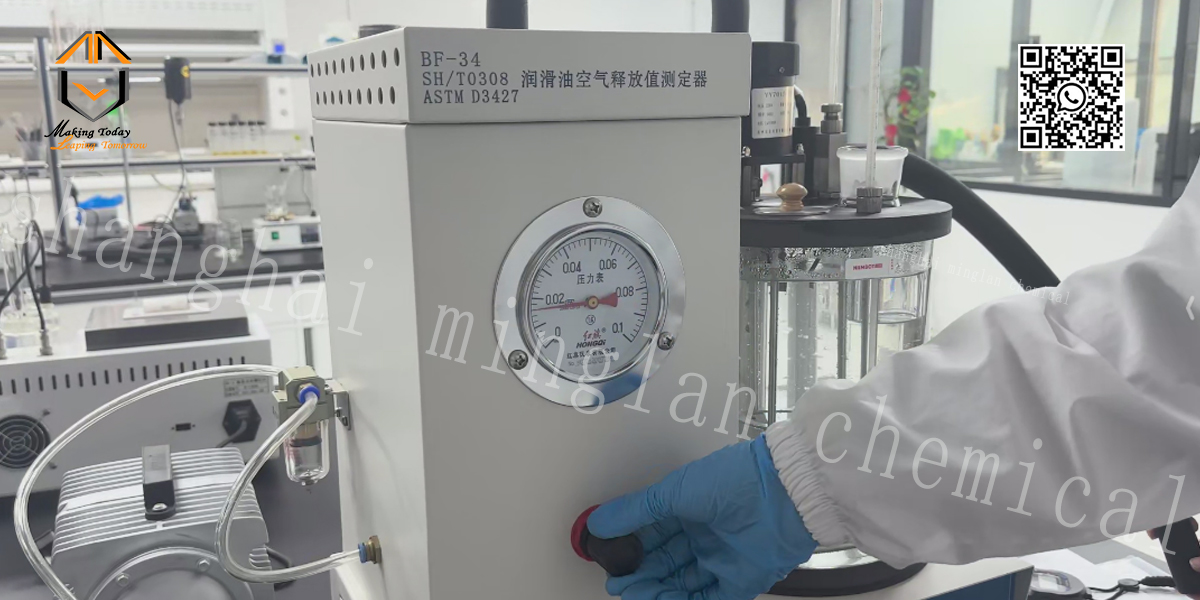
Determination of air release value of lubricating oil
Determination of Air Release Value of Lubricating Oil (ASTM D3427 / ISO 9120) 🔹 Purpose of the Test The air release value measures how quickly entrained air is released from a lubricating oil after being subjected to aeration. This property is critical for: ✅ Hydraulic oils – Prevents air bubbles that affect hydraulic performance✅ Turbine… Read more
-
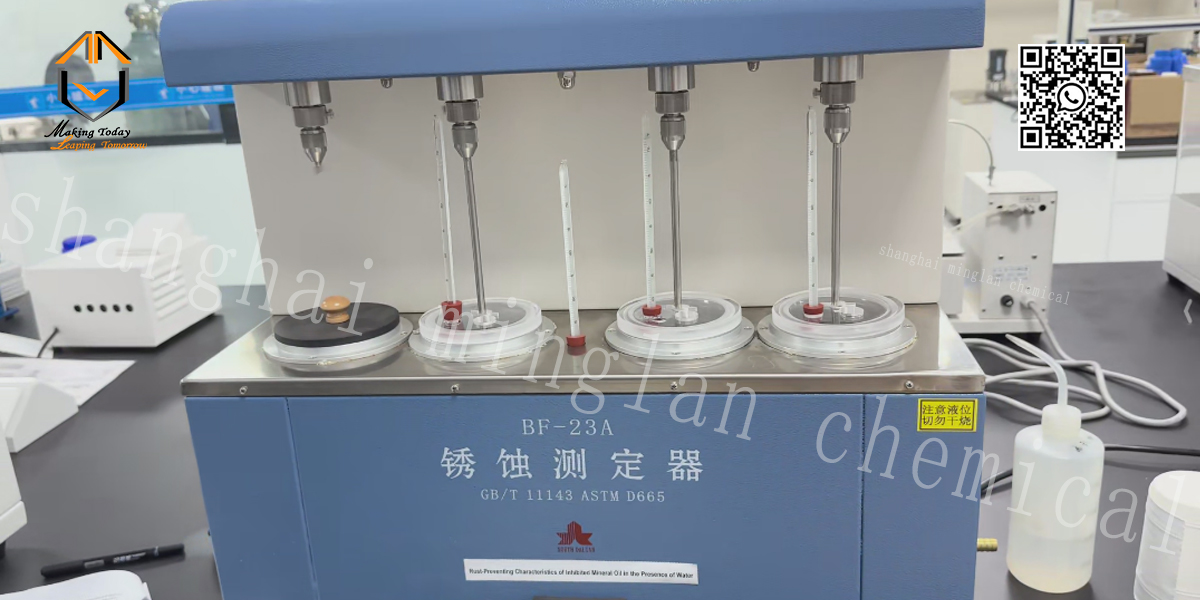
Standard test method for rust-preventing characteristics of inhibited mineral oilin the presence of water
Standard Test Method for Rust-Preventing Characteristics of Inhibited Mineral Oil in the Presence of Water (ASTM D665 / ISO 7120) 🔹 Purpose of the Test This method evaluates the rust-preventing characteristics of inhibited mineral oils, such as lubricating oils, hydraulic fluids, and turbine oils, when mixed with water. It determines whether an oil can protect… Read more
-
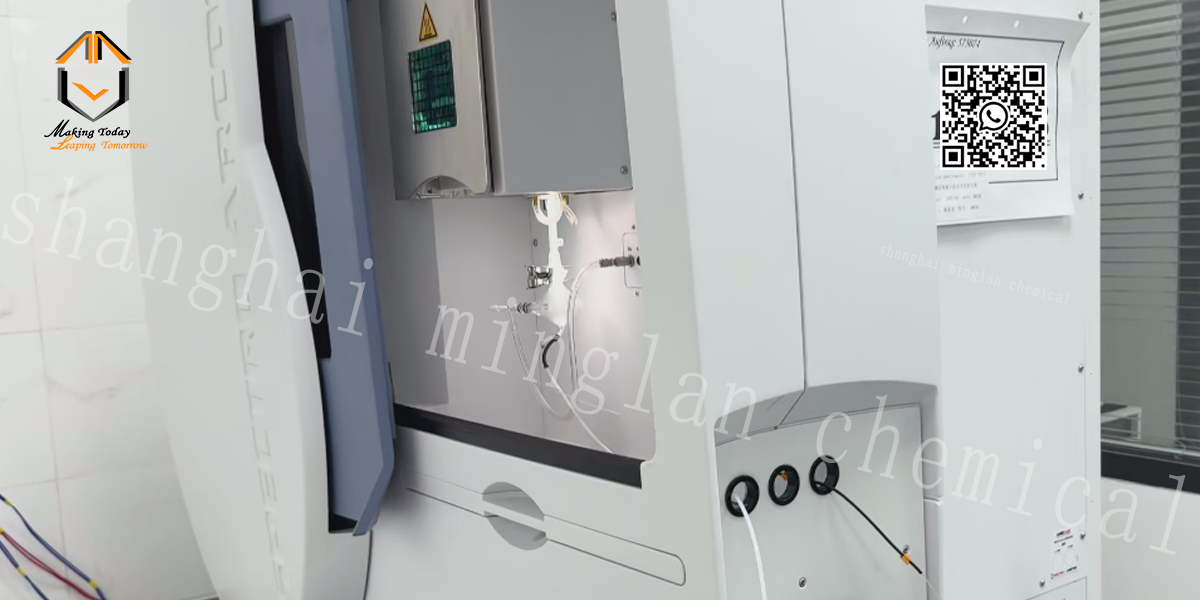
Determination of multielements of lubricating oils and base oils—Inductively coupled plasma atomic emission spectrometry(ICP-AES)
Determination of Multi-Elements in Lubricating Oils & Base Oils Using ICP-AES Inductively Coupled Plasma Atomic Emission Spectrometry (ICP-AES) is a widely used technique for determining the elemental composition of lubricating oils and base oils. This method ensures that additive packages, wear metals, and contaminants are properly identified and quantified, helping to maintain lubricant performance and… Read more
-
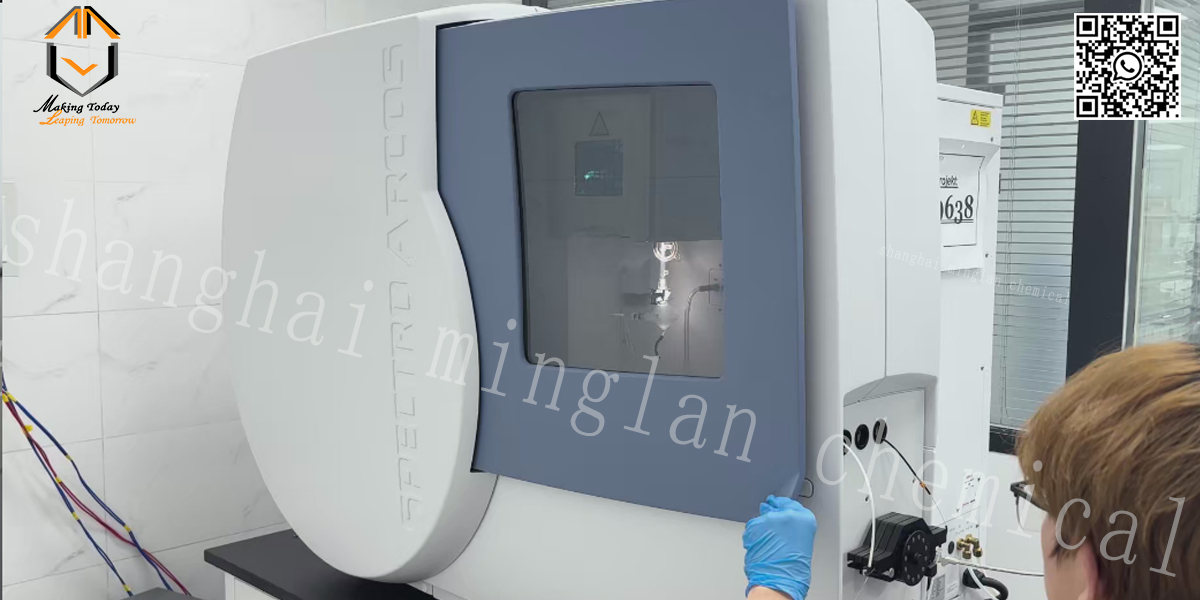
Standard test method for determination of additive elements in lubricating oils by inductively coupled plasma atomic emission spectrometry
Standard Test Method for Determination of Additive Elements in Lubricating Oils by ICP-AES (ASTM D4951) The ASTM D4951 test method is used to determine the concentration of additive elements in lubricating oils using Inductively Coupled Plasma Atomic Emission Spectrometry (ICP-AES). This method is widely used in quality control, formulation verification, and contamination analysis in lubricant… Read more
-

Test method for corrosiveness to copper from petroleum products by copper strip test
Test Method for Corrosiveness to Copper from Petroleum Products – Copper Strip Test (ASTM D130 & ISO 2160) The Copper Strip Corrosion Test (ASTM D130, ISO 2160) evaluates the corrosive effects of petroleum products, lubricants, and fuels on copper components. It is widely used in industries like automotive, aviation, marine, and industrial lubrication to ensure… Read more
-
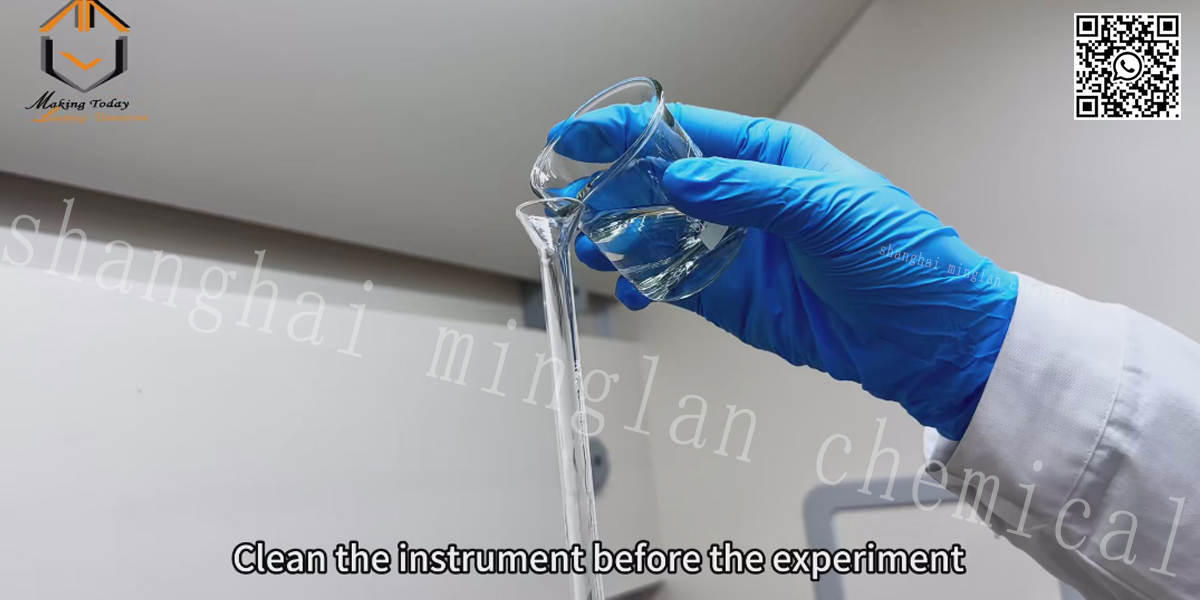
Determination of base value of petroleum products (perchloric acid potentiometric titration method)
Determination of Base Number (BN) in Petroleum Products – Perchloric Acid Potentiometric Titration Method (ASTM D2896) The Base Number (BN) of a petroleum product measures its ability to neutralize acidic contaminants that form during combustion and oxidation. The Perchloric Acid Potentiometric Titration Method (ASTM D2896) is a precise technique for determining BN in lubricants, engine… Read more