

-

What is Span 80 monooleato de sorbitano?
Span 80 monooleato de sorbitano, also known as monooleate of sorbitan or sorbitan monooleate, is a nonionic surfactant and emulsifier. It is part of a family of compounds called sorbitan esters. Span 80 is commonly used in various industries, including food, pharmaceuticals, cosmetics, and chemicals, for its emulsifying and dispersing properties. Here are some of… Read more
-
What are pour point depressants(PPD)?
Definition: Pour point depressants(PPD), also known as cold flow improvers or wax inhibitors, are chemical additives used in petroleum products and oil-based fluids to lower the pour point temperature. The pour point of a substance is the lowest temperature at which it flows or can be poured. When crude oil or certain types of petroleum-based… Read more
-
What does SP in engine oil mean?
In car maintenance, engine oil plays a vital role. In recent years, SP components have received more and more attention in engine oil. So, what does the SP in engine oil mean? SP component is an additive in engine oil, mainly used to improve the quality and performance of engine oil. Its full name is… Read more
-
How engine oil manufacturers choose additive packages?
Engine oil manufacturers choose additive packages based on a combination of factors, including the intended application, performance requirements, regulatory standards, and market demands. Additive packages are essential components of engine oil formulations as they provide various benefits such as enhancing lubrication, reducing wear and friction, and protecting against corrosion and oxidation. Here’s how manufacturers typically… Read more
-

What is the difference between engine oil CF-4 and CH-4?
CF-4, CH-4, CI-4, and CJ-4 are quality grades of diesel engine oil. For example, CH-4 indicates that the quality level is ch, and 4 indicates a four-stroke engine. Currently common ones include CF-4 and CH-4. There are obvious differences between diesel engine oils CF-4 and CH-4 in many aspects. CF-4 and CH-4 are diesel engine… Read more
-
What are the components of lubricating oil?
Lubricating oil, commonly referred to as lubricant or engine oil, is a complex mixture of base oils and additives. The components work together to provide essential lubrication, protection, and performance characteristics in various mechanical systems, including engines, gearboxes, and hydraulic systems. Lubricating oil, often referred to simply as “lube oil” or “motor oil” when used… Read more
-
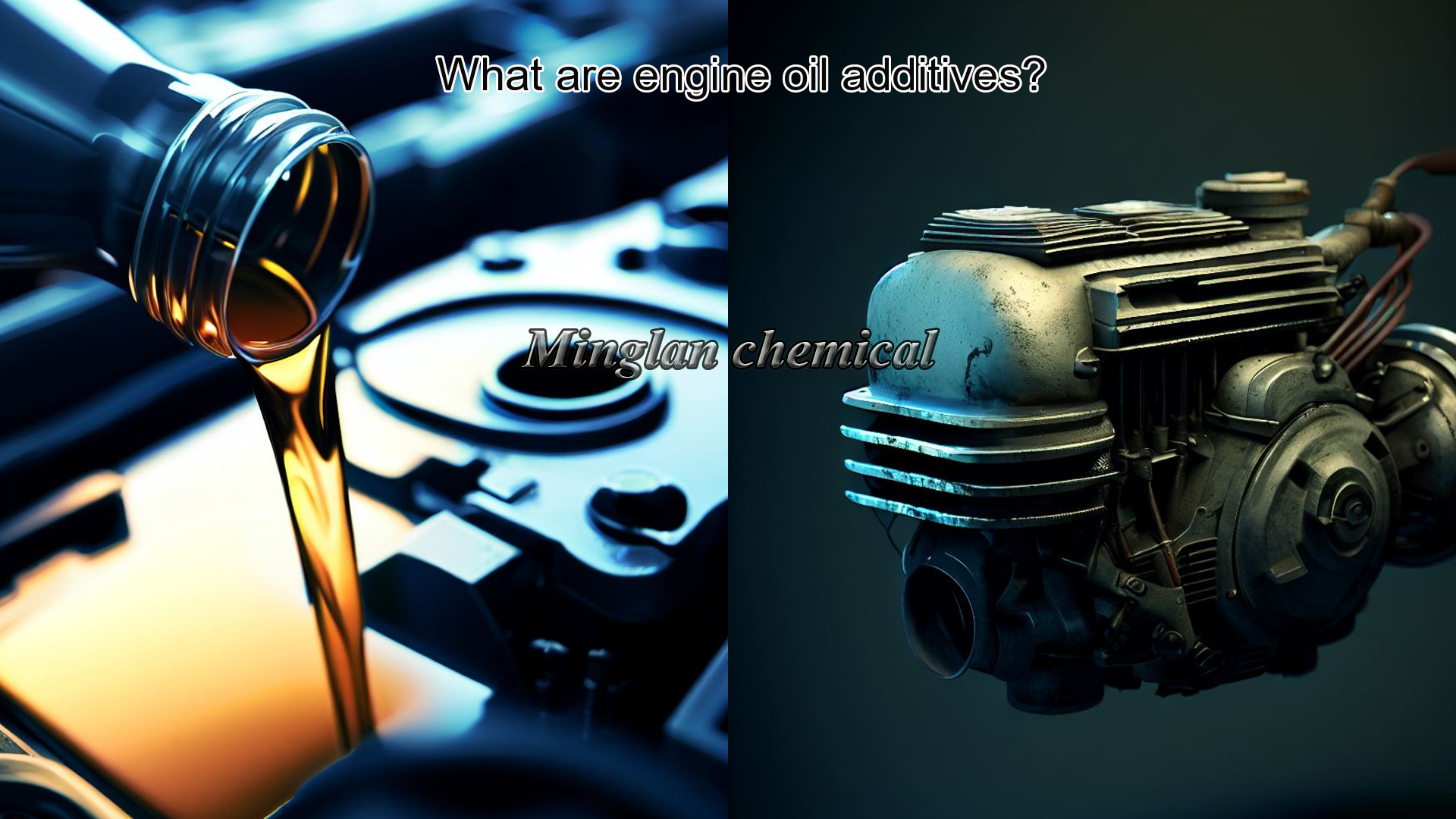
What are engine oil additives?
Engine oil additives are chemicals specifically added to engine oil to improve engine performance, reduce wear, and extend engine life. These additives are designed to enhance the performance and durability of engine oils and protect the engine from wear, corrosion and harmful deposits. There are many types of engine oil additives, each with specific functions.… Read more
-

Spill point effects of additives in oil: an important part of understanding fuel systems
In the fuel system, oil additives play a vital role. In addition to improving fuel efficiency, cleanliness and stability, specific combinations and ratios of these additives can affect the operating mechanics of the fuel system. When delving into the role of additives in oil, we must focus on their spillover point effects. Oil additives are… Read more
-
Which engine oil has the best viscosity?
The viscosity of an engine oil refers to its resistance to flow, an important property that determines its effectiveness in lubricating engine components. The ideal viscosity of engine oil depends on a variety of factors, including engine design, operating conditions and climate. Generally, engine oil viscosity is represented by two numbers separated by the letter… Read more