

-

Lever type four-ball friction testing machine
A lever-type four-ball friction testing machine is a specialized tribological test device used to measure the anti-wear, extreme pressure (EP), and friction-reducing performance of lubricants, greases, and additives under high-load conditions. It operates based on the Four-Ball Wear Test principle, but with a lever arm mechanism for applying load. ⚙️ Basic Principle: 🧪 Key Test… Read more
-

Mechanical impurity tester for petroleum products and additives
Mechanical Impurity Tester for Petroleum Products & Additives A Mechanical Impurity Tester determines the content of solid contaminants (dust, metal particles, carbon residues, etc.) in petroleum products and additives. These impurities can affect fuel combustion, lubricant efficiency, and engine wear. Test Standards for Mechanical Impurities ✅ ASTM D473 – Standard Test Method for Sediment in… Read more
-
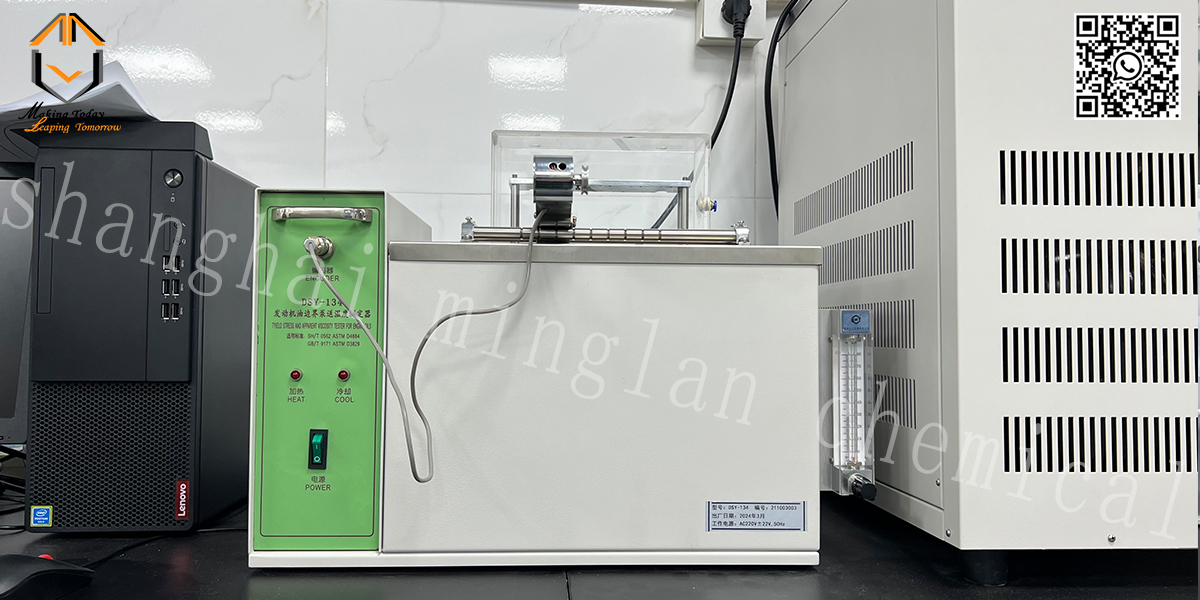
Engine oil boundary pumping temperature tester
Engine Oil Boundary Pumping Temperature Tester The Engine Oil Boundary Pumping Temperature Tester determines the lowest temperature at which an engine oil can be effectively pumped through an engine’s lubrication system. This is critical for cold-start performance, ensuring that oil can flow to critical engine components at low temperatures. Test Standard for Engine Oil Pumpability… Read more
-

Trace Moisture Meter
Trace Moisture Meter for Lubricants & Petroleum Products A Trace Moisture Meter measures the ultra-low moisture content in lubricants, fuels, and industrial oils. Even small amounts of water contamination can cause oxidation, corrosion, viscosity changes, and equipment failure in sensitive applications. Test Standards for Moisture Content in Lubricants ✅ ASTM D6304 – Water Content in… Read more
-
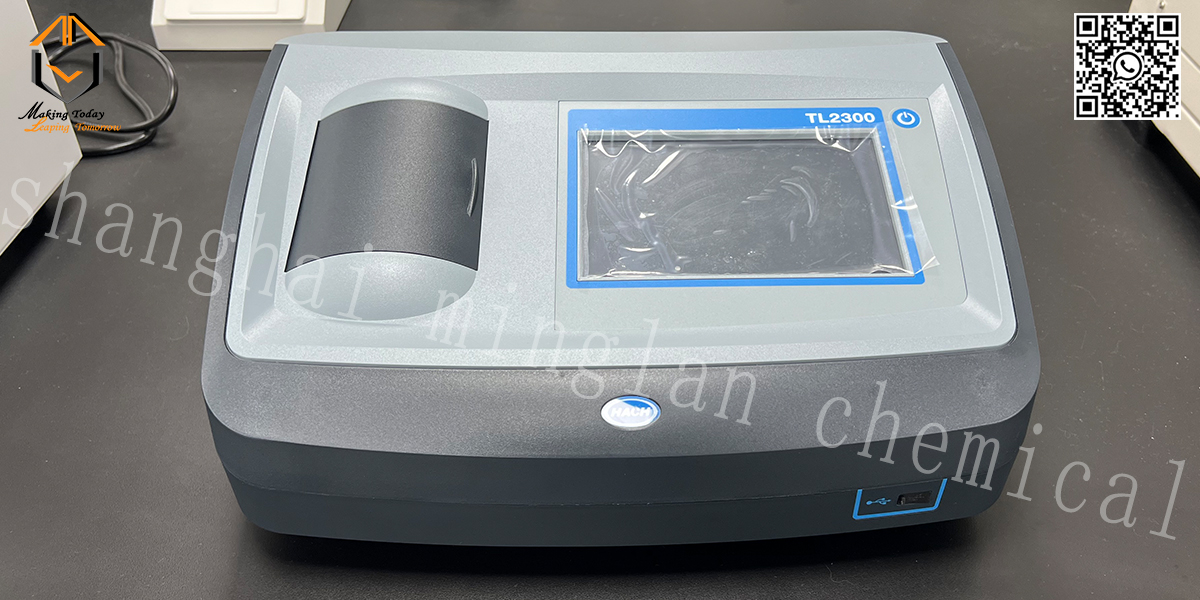
Benchtop Turbidimeter
Benchtop Turbidimeter for Lubricants & Petroleum Products A benchtop turbidimeter measures the cloudiness or turbidity of lubricants, fuels, and other petroleum products. It helps detect contaminants, water content, and particulate matter, ensuring product quality and compliance with industry standards. Test Standards for Turbidity Measurement ✅ ASTM D4176 – Free Water & Particulate Contamination in Distillate… Read more
-

Closed cup flash point tester
Closed Cup Flash Point Tester for Lubricants & Petroleum Products A Closed Cup Flash Point Tester determines the lowest temperature at which a lubricant, fuel, or petroleum product gives off vapors that can ignite when exposed to an ignition source. It is a critical safety test for fire hazard classification, transportation, and quality control. Test… Read more
-

Petroleum Product Color Tester
Petroleum Product Color Tester A Petroleum Product Color Tester determines the color of lubricants, fuels, and other petroleum products using standardized methods. Color measurement is essential for quality control, contamination detection, and product classification. Test Standards for Petroleum Color Measurement ✅ ASTM D1500 – Standard Test Method for Color of Petroleum Products (ASTM Color Scale)✅… Read more
-
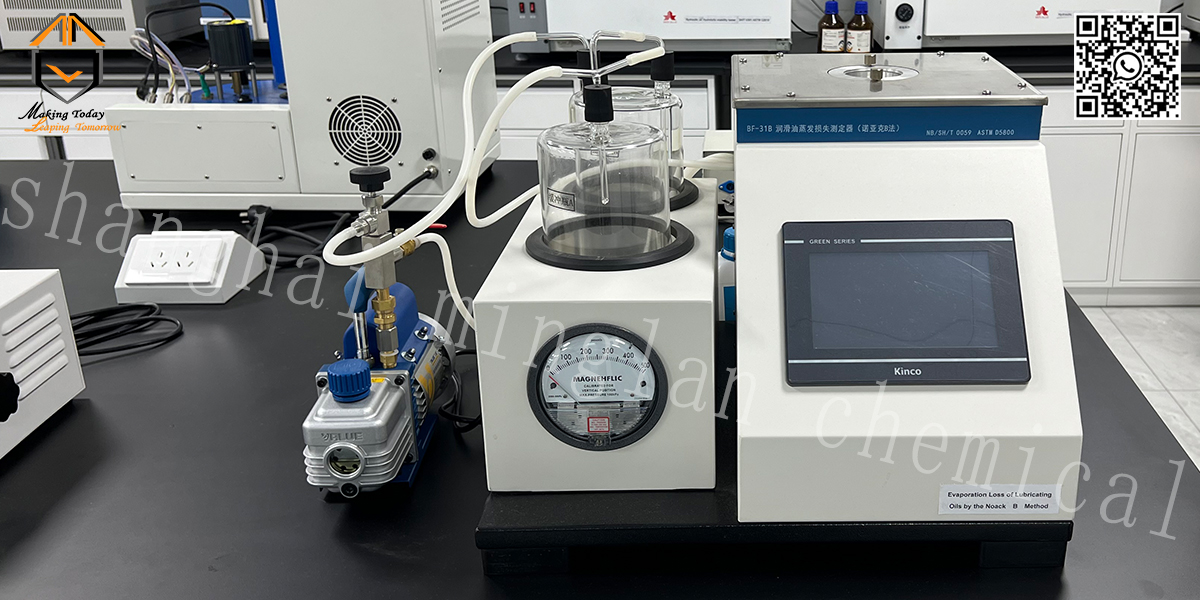
Lubricating oil evaporation loss tester (Noack B method)
Lubricating Oil Evaporation Loss Tester (Noack B Method) A Noack Evaporation Loss Tester measures the volatility of lubricating oils, especially engine oils, transmission fluids, and industrial lubricants. It determines how much oil evaporates under high-temperature conditions, which is critical for ensuring oil stability, reducing consumption, and preventing deposits. Test Standards for Noack Volatility ✅ ASTM… Read more
-
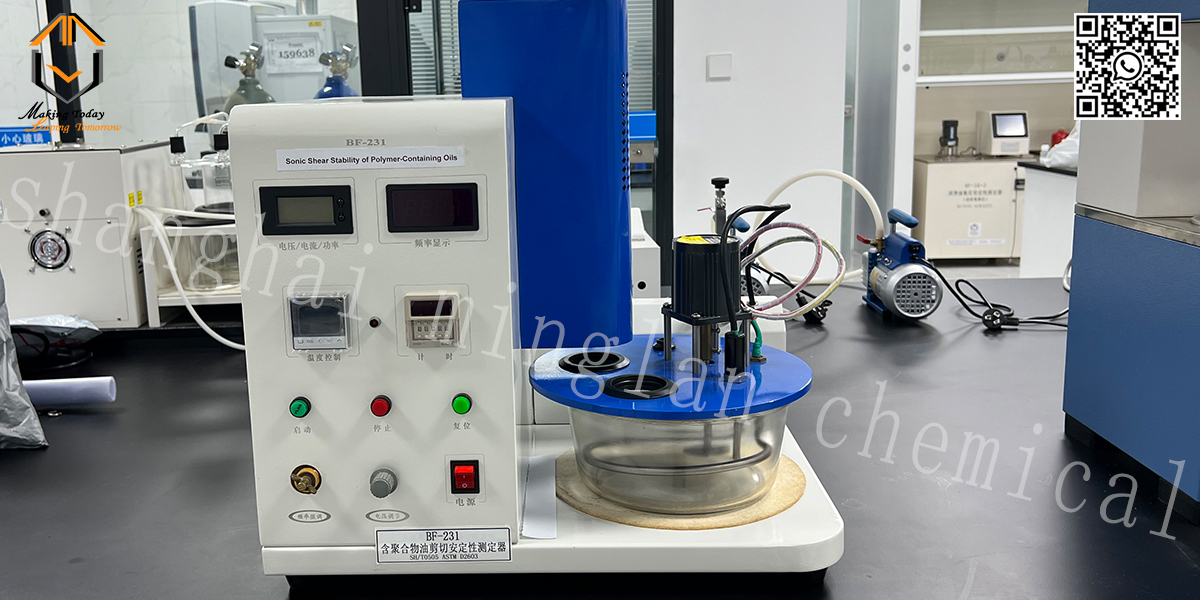
Shear stability tester for polymer oil
Shear Stability Tester for Polymer-Containing Oils A Shear Stability Tester evaluates the viscosity stability of polymer-containing lubricants, such as multigrade engine oils, hydraulic fluids, and gear oils, when subjected to mechanical shear stress. This test determines how polymer-based lubricants resist breakdown under high-pressure conditions, which is essential for maintaining long-term viscosity performance. Test Standards ✅… Read more