

-

How do you make sodium petroleum sulfonate?
Sodium petroleum sulfonate, also known as petroleum sulfonate or petroleum sodium sulfonate, is a widely used surfactant in the petroleum industry, particularly in oilfield applications. It is produced through a sulfonation process, which involves reacting petroleum-based feedstock with sulfuric acid to form the sulfonic acid, followed by neutralization with sodium hydroxide to produce the sodium… Read more
-
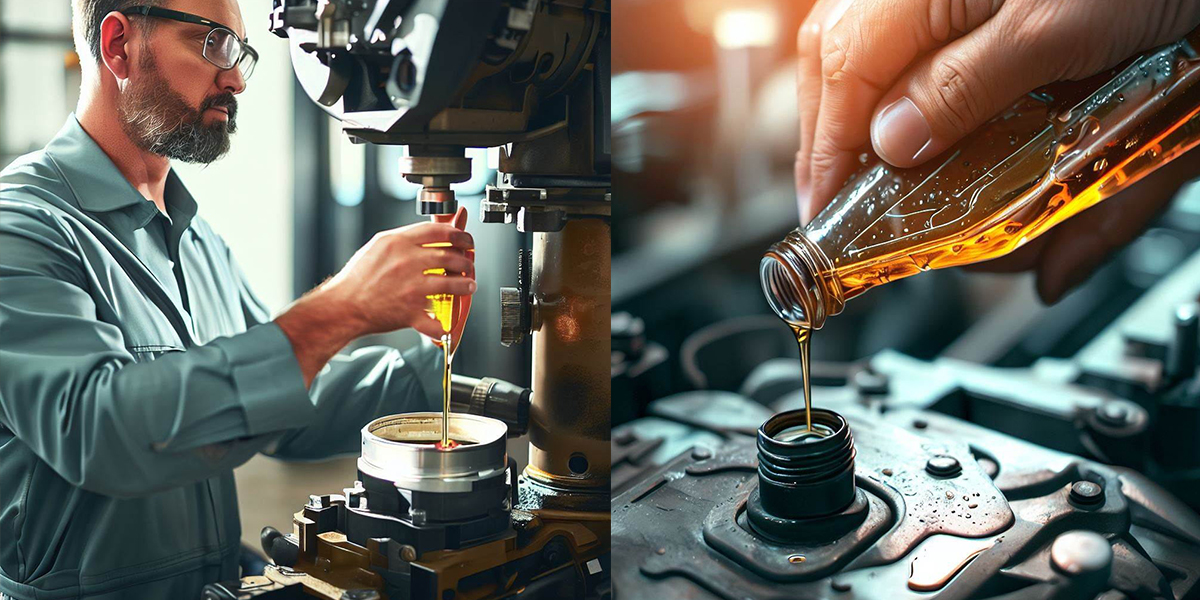
Is there an additive to make oil thicker?
Yes, there are oil additives specifically designed to make oil thicker or increase its viscosity. These additives are known as viscosity index improvers (VII) or viscosity modifiers. They are used to improve the oil’s viscosity-temperature relationship, making it more resistant to thinning at higher temperatures and preventing excessive thickening at lower temperatures. Read more
-

What is the best corrosion inhibitor to choose?
Corrosion inhibitors are important chemicals that play an important role in preventing corrosion on metal surfaces. However, different corrosion inhibitors have different properties and effects, so it is very important to choose the most suitable corrosion inhibitor. This article will introduce the basic concepts, types and functions of corrosion inhibitors, as well as case studies… Read more
-
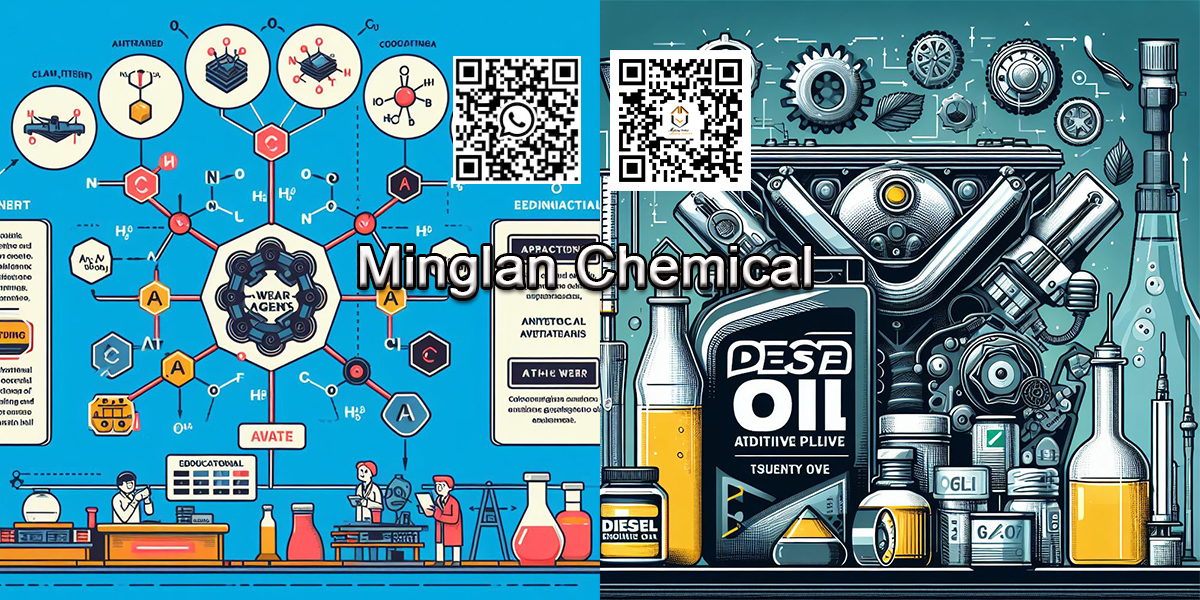
Choosing What is a zinc dithiophosphate additive?
Zinc dithiophosphate additive is an anti-wear additive commonly used in engine oils. It contains zinc and phosphorus compounds that form a protective film on metal surfaces, reducing friction and wear between moving parts. This additive is particularly effective at protecting highly loaded engine parts such as camshafts, lifters and bearings from wear and damage. Zinc… Read more
-
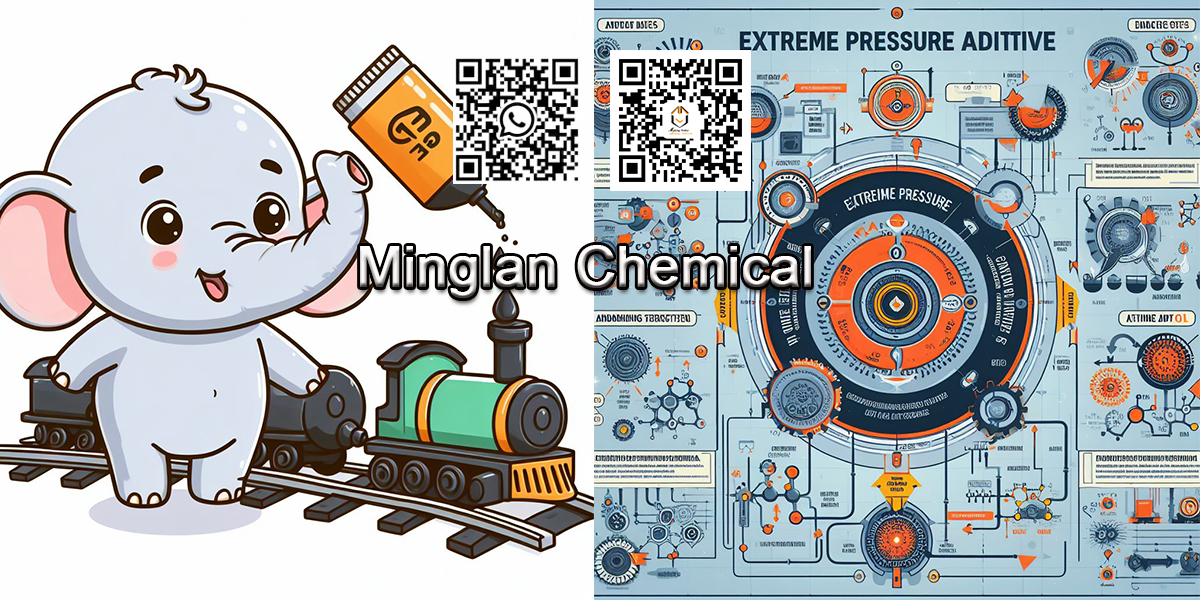
Topic: The secret of EP grease and its additives
When we talk about grease, we probably think of those sticky, greasy substances that work to reduce friction, wear, and heat on moving parts of mechanical equipment. Among many greases, EP grease is favored for its excellent performance. So, what additives does EP grease contain? What is the function of these additives? This article will… Read more
-
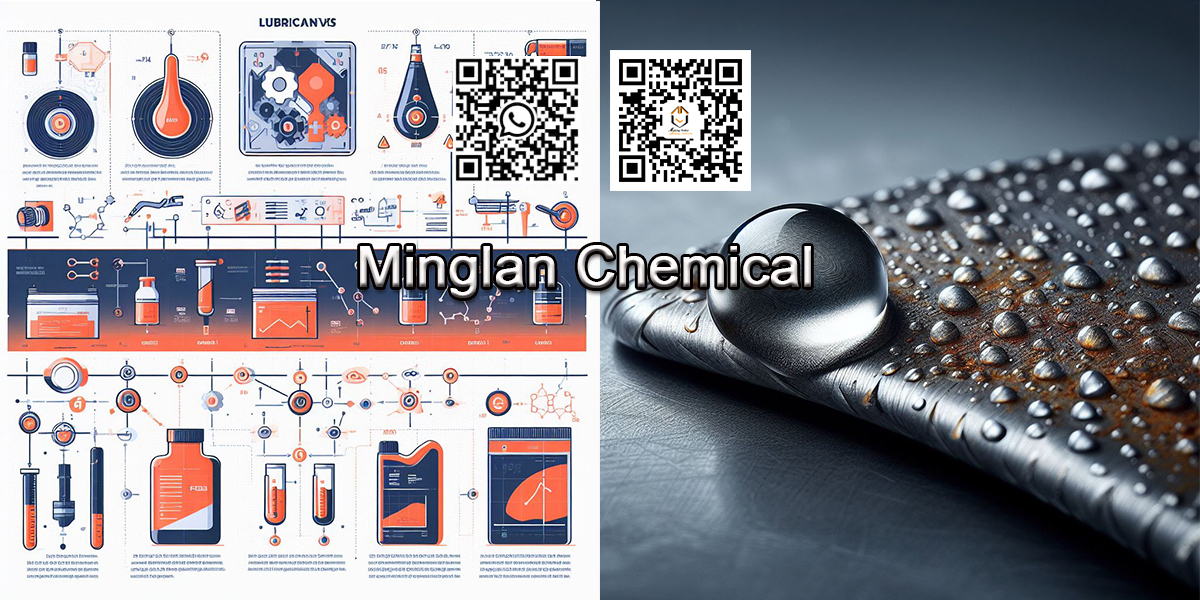
What type of additive is used to help lubricants adhere better to metal surfaces?
To make lubricants adhere better to metal surfaces, friction modifiers are often used. Friction modifiers are additives that reduce friction between moving parts and help lubricants adhere better to metal surfaces. They often contain molecules with polar or polarizable groups, which allow them to bond with metal surfaces to create a smoother, more protective surface.… Read more
-

What’s the difference between choosing a CJ-4 vs. a CK-4?
With the development of industry, oil products are used more and more widely, and different oil products have different properties and uses. CJ-4 and CK-4 are two different categories of diesel engine oils. Here are the main differences between the two: When selecting CJ-4 and CK-4 motor oils, it is important to consider the specific… Read more
-
Topic: Exploring the properties and uses of ultra-highly alkaline calcium alkyl salicylates
In the field of chemistry, ultra-highly alkaline calcium alkyl salicylate is a compound with special properties and uses. This compound has attracted much attention in recent years because of its excellent properties and wide application prospects. This article will introduce in detail the chemical properties, uses and practical application cases of ultra-highly alkaline calcium alkyl… Read more
-
What is the difference between choosing a surfactant and a dispersant?
Surfactants and dispersants are commonly used chemicals that can change the properties of interfaces. However, there are significant differences in functionality and usage scenarios between surfactants and dispersants. Surfactants are a class of compounds that can significantly change the surface tension of a liquid, or the interfacial tension between two phases. The main function of… Read more