

-

What are some examples of choosing a pour point depressant?
Pour point depressants are substances that lower the pour point of petroleum and its products. Pour point depressants lower the pour point of petroleum or petroleum products by inhibiting the aggregation of wax crystals. Wax crystals are a type of crystal in petroleum or petroleum products that aggregate to make them less fluid or even… Read more
-

Choose What 6 additives are used in most motor oils?
Motor oil is a vital component in maintaining and servicing your car. It not only has the function of lubrication and cleaning, but also effectively protects the engine and extends the service life of the car. To meet these requirements, various additives are often added to engine oil. This article will explore 6 additives commonly… Read more
-

What is a paraffin base oil pour point depressant?
Paraffinic base oil pour point depressants are additives that help reduce the pour point of paraffinic base oils. Pour point is the lowest temperature at which oil can flow or pour. Paraffin base oils tend to solidify at lower temperatures due to the presence of waxy paraffin molecules. Pour point depressant additives change the crystal… Read more
-

What is grease with TBN400 Calcium Sulfonate?
With the wide application of mechanical equipment, grease plays an important role in various fields. TBN400 calcium sulfonate for grease is a high-performance lubricant with many unique properties and advantages and is widely used in the lubrication and protection of various mechanical equipment. TBN 400 (total base number) and calcium sulfonate grease is a grease… Read more
-

What is ethylene-propylene copolymer used for?
As of my last update in September 2021, ethylene-propylene copolymer, also known as ethylene-propylene rubber (EPR), is a synthetic rubber material derived from the copolymerization of ethylene and propylene monomers. It is primarily used in the manufacturing of various products due to its excellent properties and versatility. Read more
-
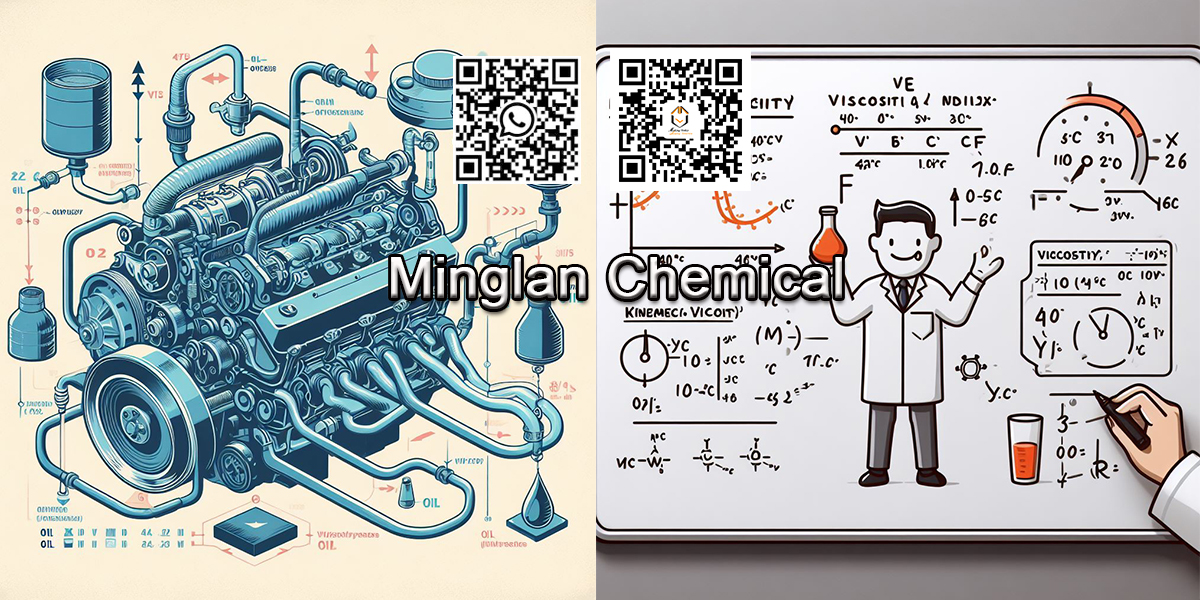
Is choosing a viscosity index the same as ISO?
ISO (International Organization for Standardization) is the standard that defines oil viscosity classifications. It provides a standardized grading system of lubricant viscosity called ISO VG (viscosity grade). Viscosity index (VI), on the other hand, is a measure of the change in oil viscosity with temperature. It quantifies the change in oil viscosity at different operating… Read more
-

Choice What is the difference between a demulsifier and an emulsifier?
Demulsifiers and emulsifiers are two common chemical agents that are widely used in many industries and daily life. While they can both be used to handle liquids, there are distinct differences between them. First of all, demulsifiers are mainly used to destroy the stability of emulsions and separate the liquid components in the emulsions. This… Read more
-

What is CF-4/SG general-purpose engine oil additive complex?
CF-4/SG general purpose engine oil additive complex may refer to a specific type of engine oil additive complex that meets the American Petroleum Institute (API) specifications for CF-4 and SG for diesel and gasoline engines, respectively. These specifications outline performance, protection and efficiency requirements for engine oils. Diesel engine CF-4 specifications include wear protection, high… Read more
-
Choosing What is a Friction Modifier in Oil?
Choosing the right friction modifier is critical to improving oil quality and protecting engine health. First, let’s get to know friction modifiers. Friction improver is an additive added to lubricating oil. Its main function is to reduce friction resistance, thereby reducing engine wear and extending engine service life. It is mainly composed of organic compounds,… Read more