

-
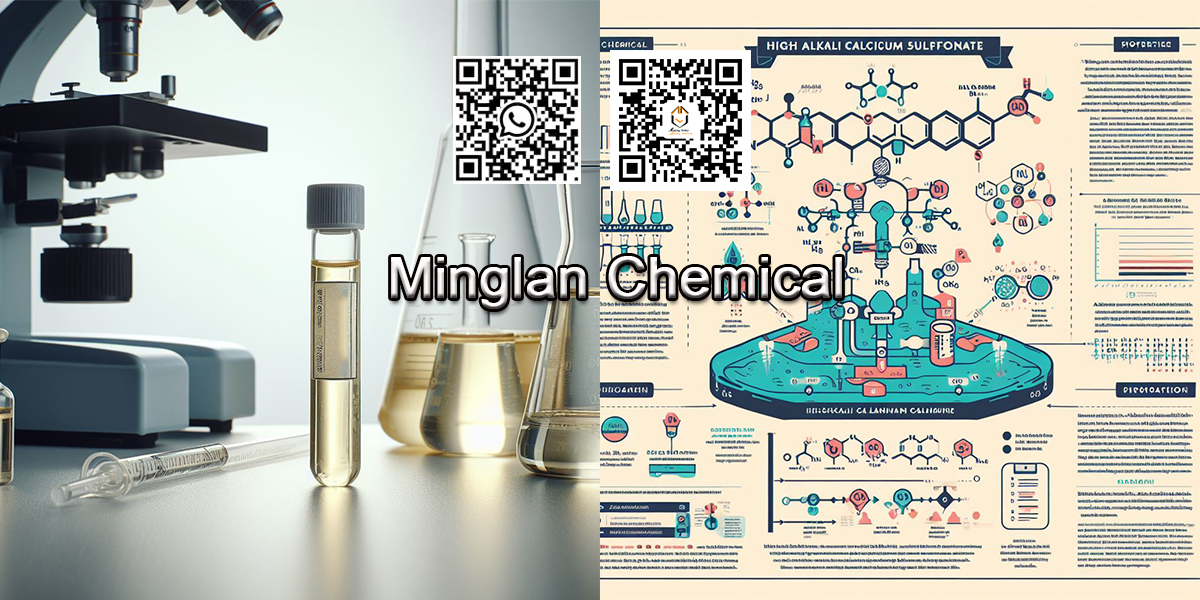
What are the uses for selecting alkyl benzene sulfonates?
Lubricating oil additive Alkylbenzene sulfonate is an important compound mainly used to improve the performance of lubricating oils. Its molecular structure consists of alkyl phenyl groups and sulfonate groups. Alkyl phenyl groups are usually long-chain alkyl groups, such as C12H25, C16H33, etc., while sulfonate groups are SO3-. The main function of this additive is to… Read more
-
What is the vacuum pump oil additive package?
A vacuum pump oil additive package is a specialized combination of chemical additives designed to enhance the performance and properties of vacuum pump oils. Vacuum pump oils are lubricants specifically formulated to provide proper lubrication and sealing in vacuum pumps, which are used in various applications, including industrial processes, laboratory equipment, refrigeration, and more. The… Read more
-
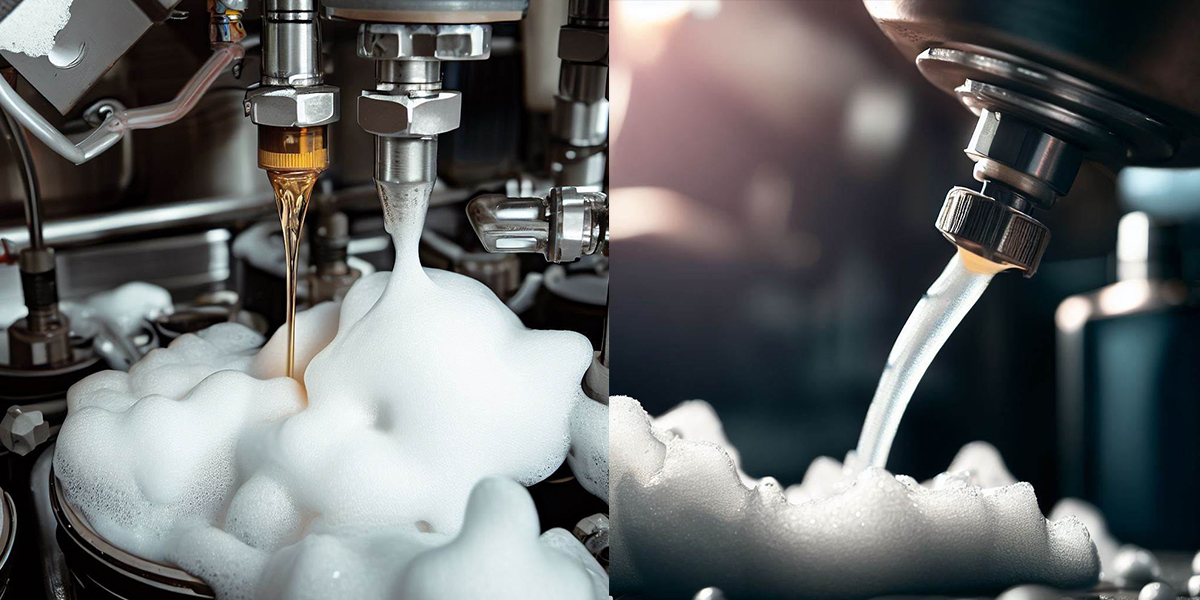
What is the high reactive type antifoam additive for lubricants?
A high reactive type antifoam additive for lubricants is a specialized chemical additive designed to control or prevent foam formation in lubricating oils. Foam can be a significant issue in lubrication systems as it can lead to several problems, including reduced lubrication effectiveness, impaired heat transfer, and potential damage to equipment. Antifoam additives are used… Read more
-
What is the T1805 diesel oil fluidity improver?
What is the T1805 diesel oil fluidity improver? Read more
-

What is the T501 2.6-di-Tertiary Butyl Para-Cresol?
What is the T501 2.6-di-Tertiary Butyl Para-Cresol? Read more
-
What is the purpose of selecting additives?
Selecting additives serves several crucial purposes across various industries and applications. Here’s a breakdown of the key reasons why additives are so important: 1. Enhance Base Material Properties: 2. Address Specific Application Needs: 3. Optimize Cost and Performance: 4. Overcome Limitations of Base Materials: 5. Address Environmental Concerns: 6.Protection Against Degradation: 7.Improving Operational Efficiency: 8.Preventing… Read more
-
What is the extreme pressure antiwear additive?
What is the extreme pressure antiwear additive? Read more
-
Do oil additives damage engine?
1.Do oil additives damage engine? The use of oil additives can potentially damage an engine if used improperly or if the additives themselves are of poor quality. While some oil additives are specifically designed and tested to provide benefits when used according to the manufacturer’s recommendations, others may not be suitable for all engine types… Read more
-

Let’s have a better understanding of lubricant oil additives!
Let’s have a better understanding of lubricant oil additives! Read more