
-
Standard test method for rust-preventing characteristics of inhibited mineral oilin the presence of water
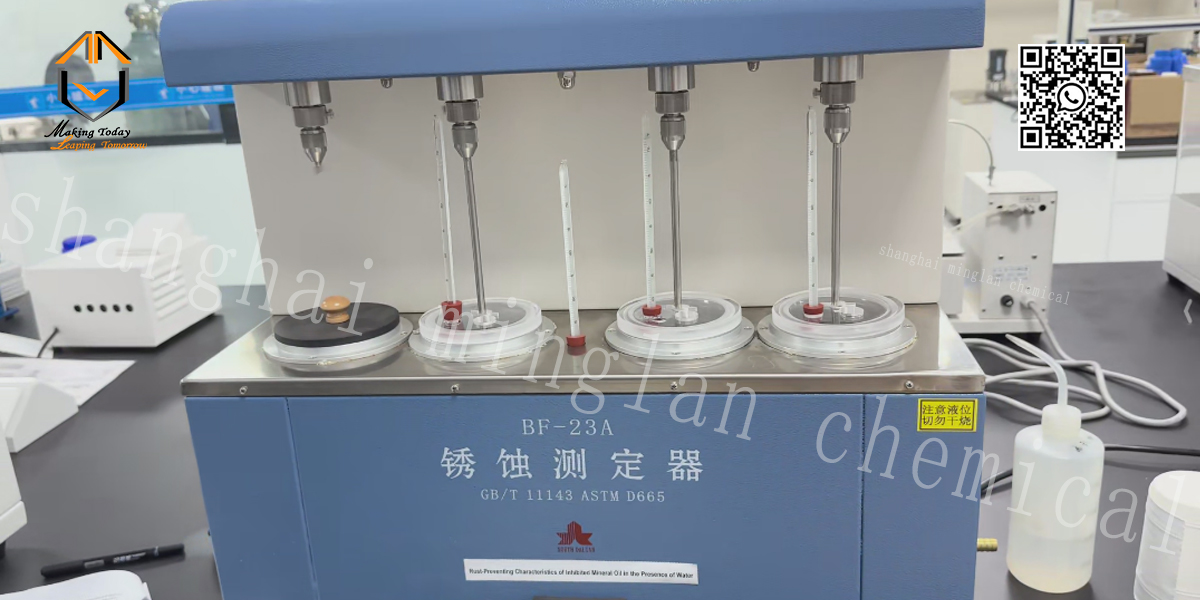
Standard Test Method for Rust-Preventing Characteristics of Inhibited Mineral Oil in the Presence of Water (ASTM D665 / ISO 7120) 🔹 Purpose of the Test This method evaluates the rust-preventing characteristics of inhibited mineral oils, such as lubricating oils, hydraulic fluids, and turbine oils, when mixed with water. It determines whether an oil can protect…
-
Determination of multielements of lubricating oils and base oils—Inductively coupled plasma atomic emission spectrometry(ICP-AES)
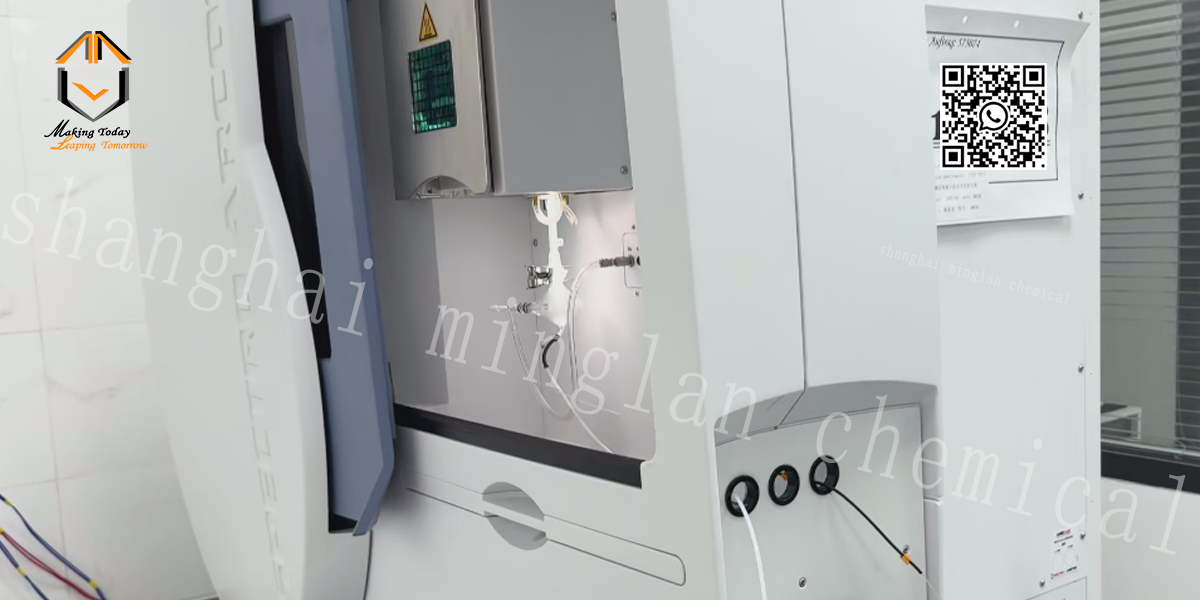
Determination of Multi-Elements in Lubricating Oils & Base Oils Using ICP-AES Inductively Coupled Plasma Atomic Emission Spectrometry (ICP-AES) is a widely used technique for determining the elemental composition of lubricating oils and base oils. This method ensures that additive packages, wear metals, and contaminants are properly identified and quantified, helping to maintain lubricant performance and…
-
Standard test method for determination of additive elements in lubricating oils by inductively coupled plasma atomic emission spectrometry
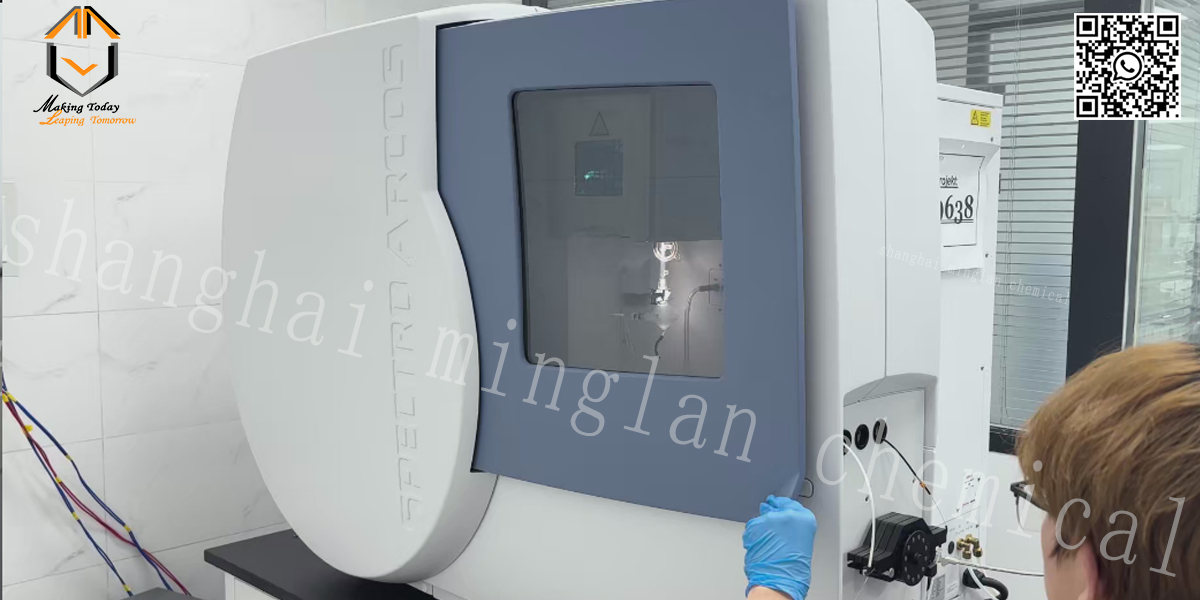
Standard Test Method for Determination of Additive Elements in Lubricating Oils by ICP-AES (ASTM D4951) The ASTM D4951 test method is used to determine the concentration of additive elements in lubricating oils using Inductively Coupled Plasma Atomic Emission Spectrometry (ICP-AES). This method is widely used in quality control, formulation verification, and contamination analysis in lubricant…
-
Test method for corrosiveness to copper from petroleum products by copper strip test

Test Method for Corrosiveness to Copper from Petroleum Products – Copper Strip Test (ASTM D130 & ISO 2160) The Copper Strip Corrosion Test (ASTM D130, ISO 2160) evaluates the corrosive effects of petroleum products, lubricants, and fuels on copper components. It is widely used in industries like automotive, aviation, marine, and industrial lubrication to ensure…
-
Determination of base value of petroleum products (perchloric acid potentiometric titration method)
Determination of Base Number (BN) in Petroleum Products – Perchloric Acid Potentiometric Titration Method (ASTM D2896) The Base Number (BN) of a petroleum product measures its ability to neutralize acidic contaminants that form during combustion and oxidation. The Perchloric Acid Potentiometric Titration Method (ASTM D2896) is a precise technique for determining BN in lubricants, engine…
-
Standard test method for wear preventive characteristics of lubricating fluid-four-ball method
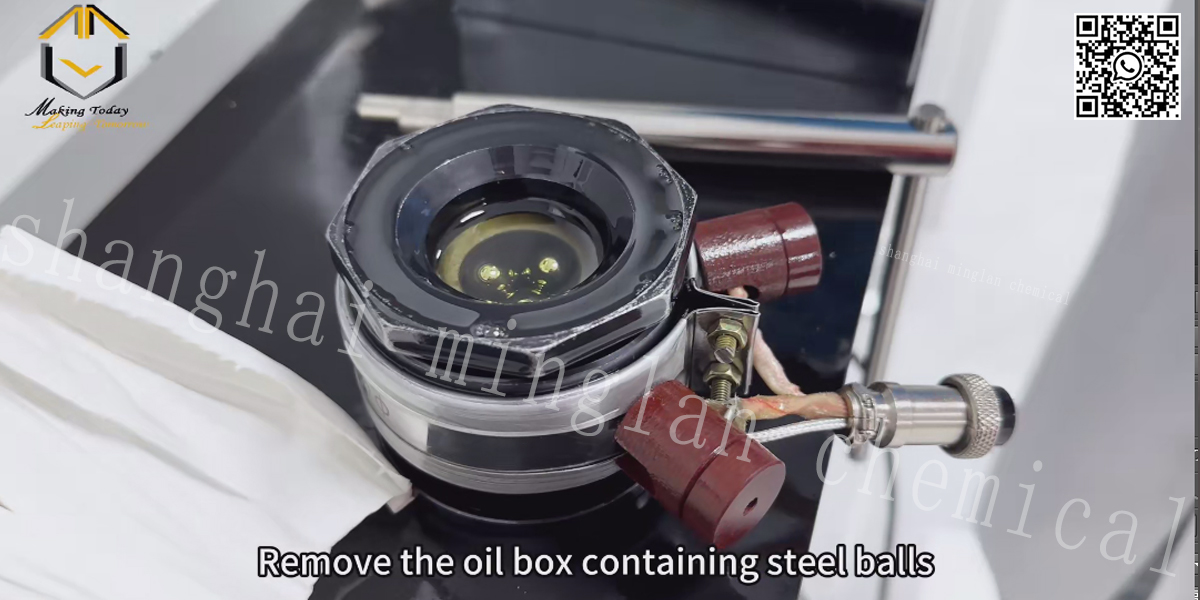
Standard Test Method for Wear Preventive (AW) Characteristics of Lubricating Fluid – Four-Ball Method (ASTM D4172) The Four-Ball Wear Test (ASTM D4172) is used to evaluate the anti-wear (AW) properties of lubricating fluids, including oils and greases. This test measures the ability of a lubricant to reduce wear under constant load, speed, and temperature conditions.…
-
Determination of extreme pressure properties of lubricating grease (four-ball machine method)
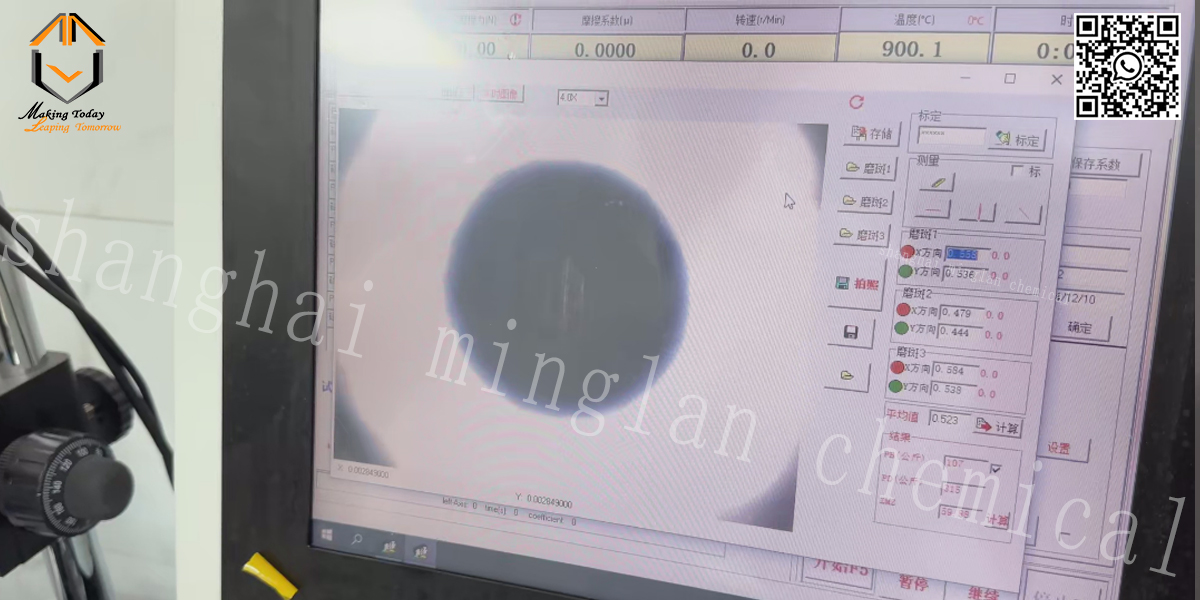
Determination of Extreme Pressure (EP) Properties of Lubricating Grease Using the Four-Ball Machine Method The Four-Ball Machine Method is used to evaluate the extreme pressure (EP) properties of lubricating greases under high-load conditions. It determines the ability of a grease to withstand extreme pressure and prevent metal-to-metal contact. 1️⃣ Relevant Test Standards Test Method Standard…
-
Standard test method for turbidity of lubricating oil metallic detergents
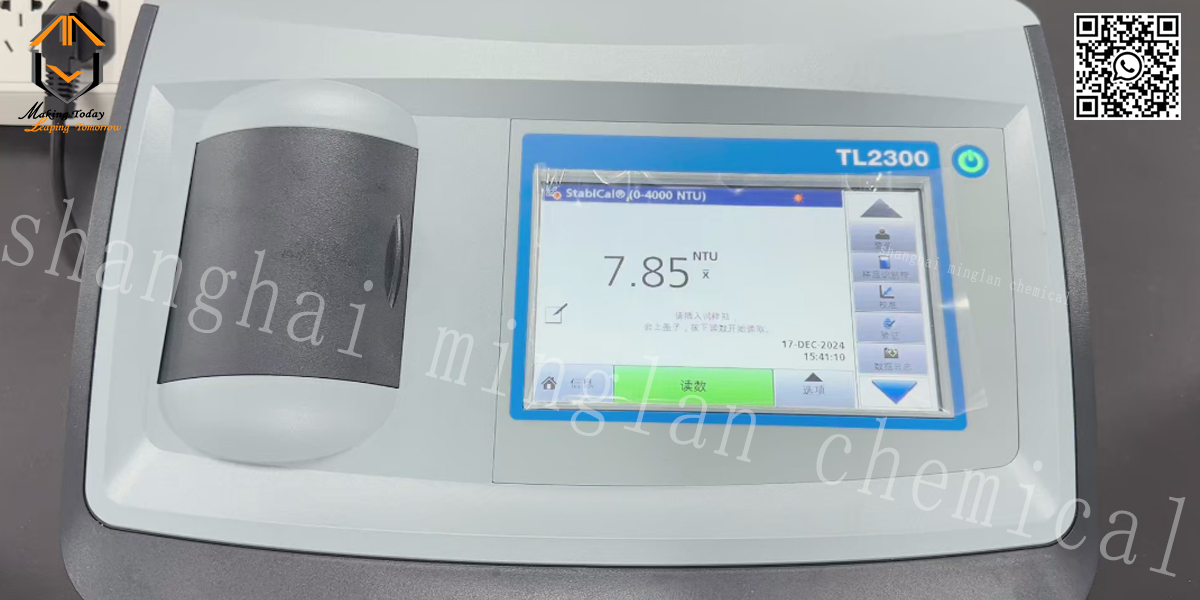
Standard Test Method for Turbidity of Lubricating Oil Metallic Detergents Turbidity measurement in lubricating oil metallic detergents helps assess dispersion quality, cleanliness, and stability of detergent additives in engine oils. 1️⃣ Relevant Test Standards Test Method Standard Application Turbidity of Lubricating Oil Detergents ASTM D6181 Measures haze/turbidity in metallic detergent additives Turbidity (ISO Method) ISO…
-
Pentane insoluble matter tester

A Pentane Insoluble Matter Tester is a specialized piece of laboratory equipment used primarily in the petroleum, lubricant, and additive industries to determine the amount of material in a sample that does not dissolve in n-pentane. This test is often part of quality control procedures, especially for testing lubricating oil additives, where pentane insolubles can…
-
Determination of sedimentation value of lubricating oil
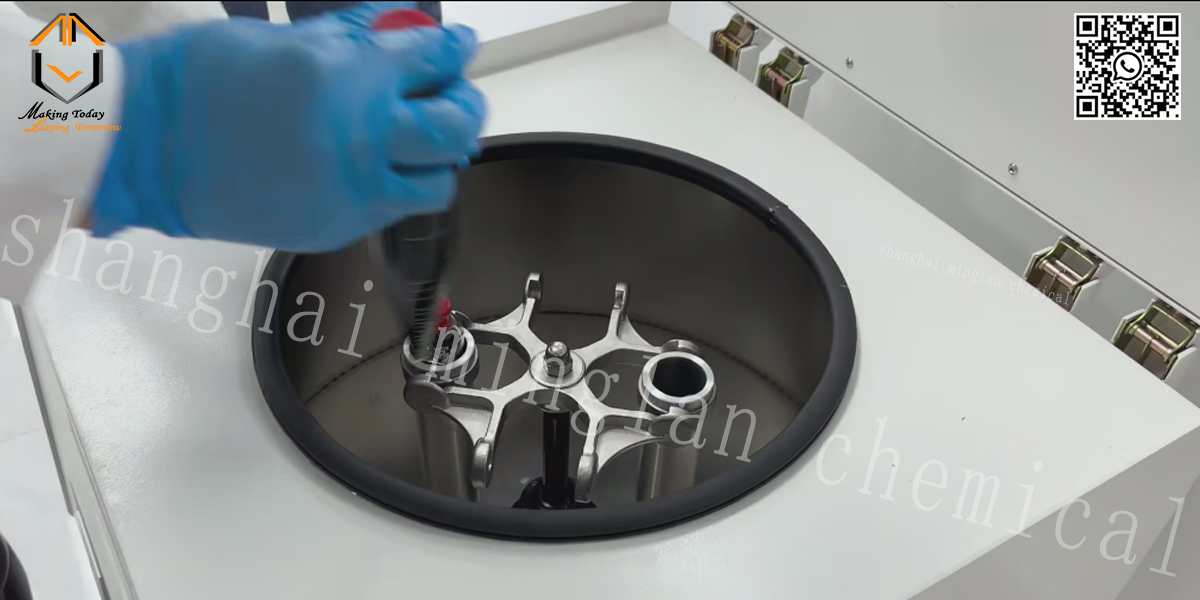
Determination of Sediment in Lubricating Oils Sediment in lubricating oils consists of insoluble particles, contaminants, oxidation by-products, and wear debris. It is crucial to determine sediment content to evaluate the oil’s cleanliness, filtration performance, and degradation level. 1️⃣ Recommended Test Methods for Sediment in Lubricating Oils Test Method Standard Best for Sediment Detection Limit Total…