
-
The Science of Pour Point Depressants: Optimizing Low-Temperature Fluidity in Lubricants
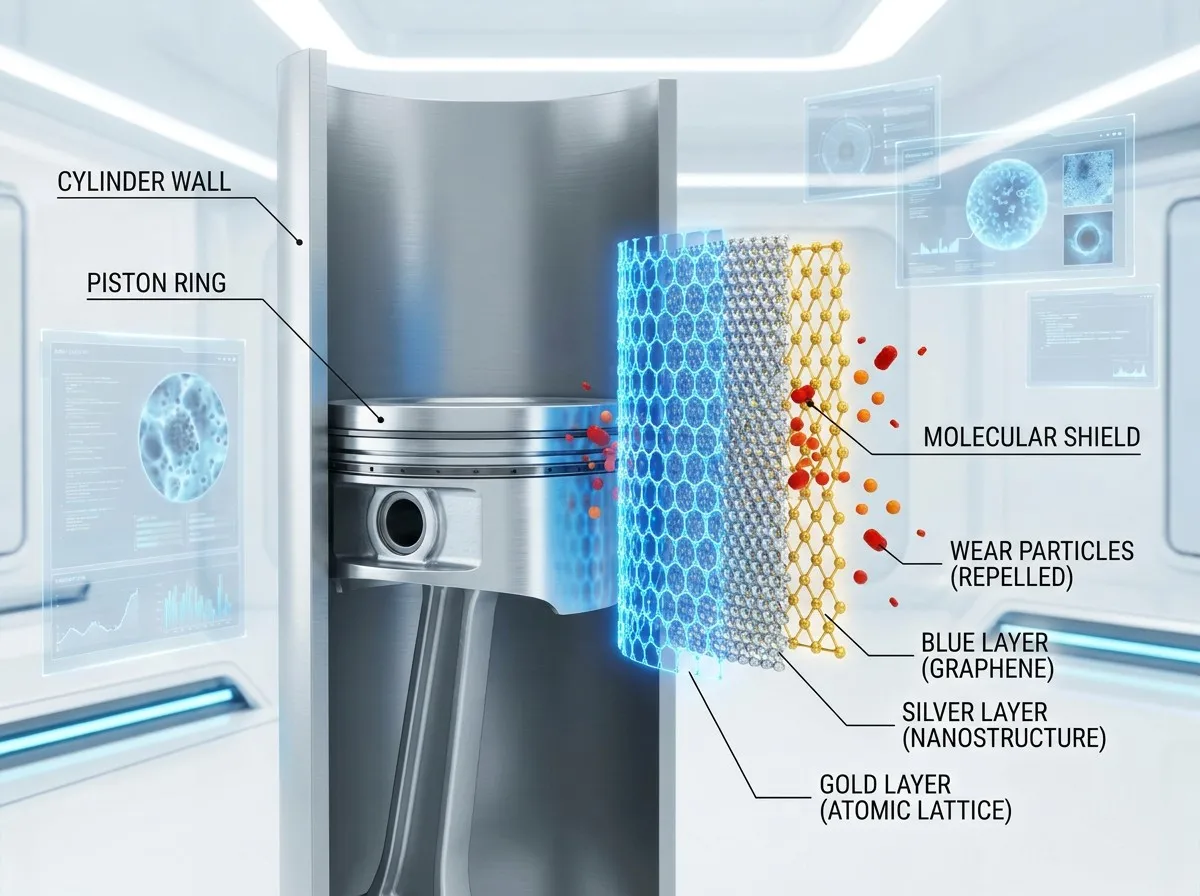
In the demanding world of lubrication engineering, temperature is one of the most formidable variables. While high-temperature stability often captures the headlines, the ability of a lubricant to remain fluid in sub-zero environments is equally critical for machinery health. At the heart of this capability lies a specialized class of additives known as the pour point…
-
The Essential Guide to Additive for Lubricant: Science, Taxonomy, and Formulation Mastery

In the modern world, friction is the silent enemy of industrial efficiency. From the high-speed turbines of power plants to the heavy-duty engines of transcontinental freight, the performance of machinery hinges not just on the base oil, but on the sophisticated chemistry of the additive for lubricant. While base oil provides the foundational fluid film, it…
-
Comprehensive Guide to Engine Oil Additive Packages: Science, Standards, and Customization
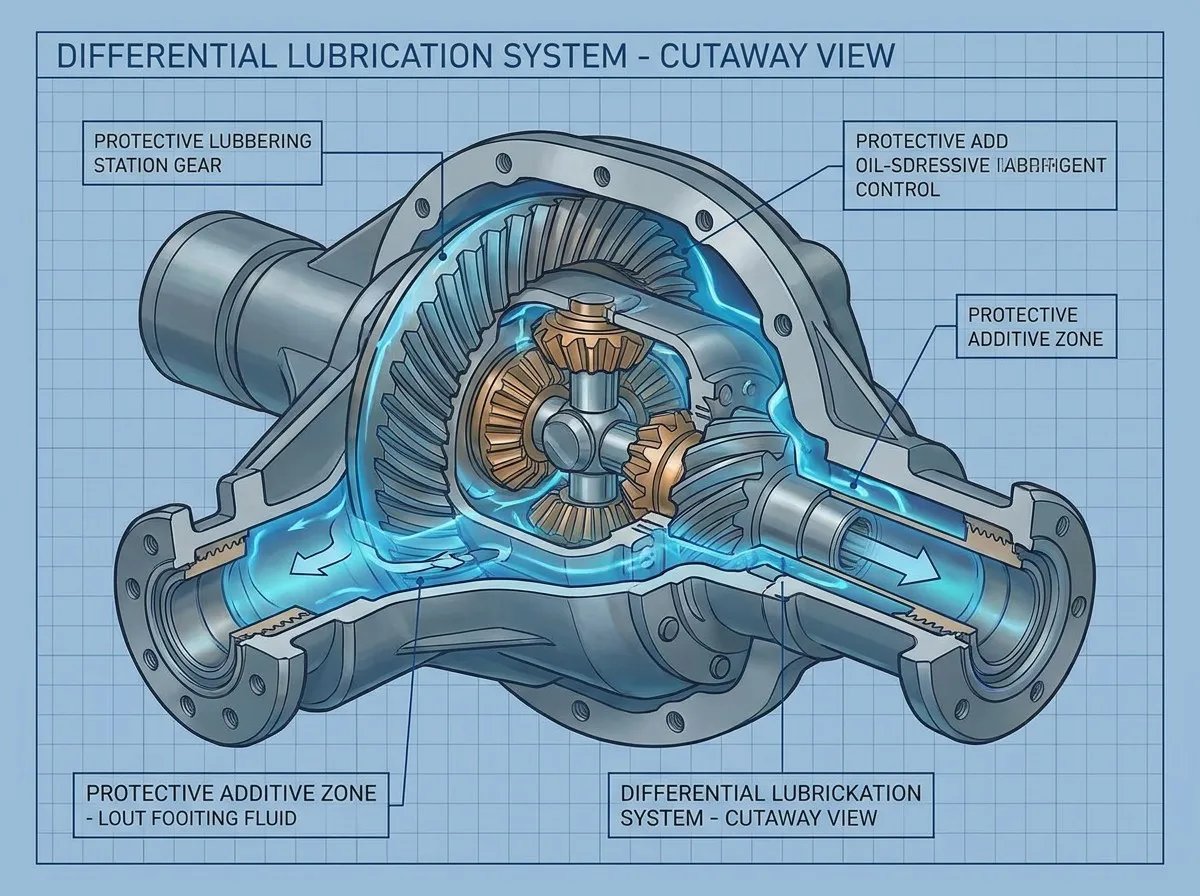
In the intricate world of automotive engineering, the lubricant is often described as the “lifeblood” of the engine. However, if base oil is the blood, then the engine oil additive package is the immune system and the brain. Base oil alone, whether mineral or synthetic, cannot withstand the extreme thermal, oxidative, and mechanical stresses of a modern…
-
The Definitive Guide to Extreme Pressure Antiwear Additives: Mechanics, Synergy, and Industrial Excellence
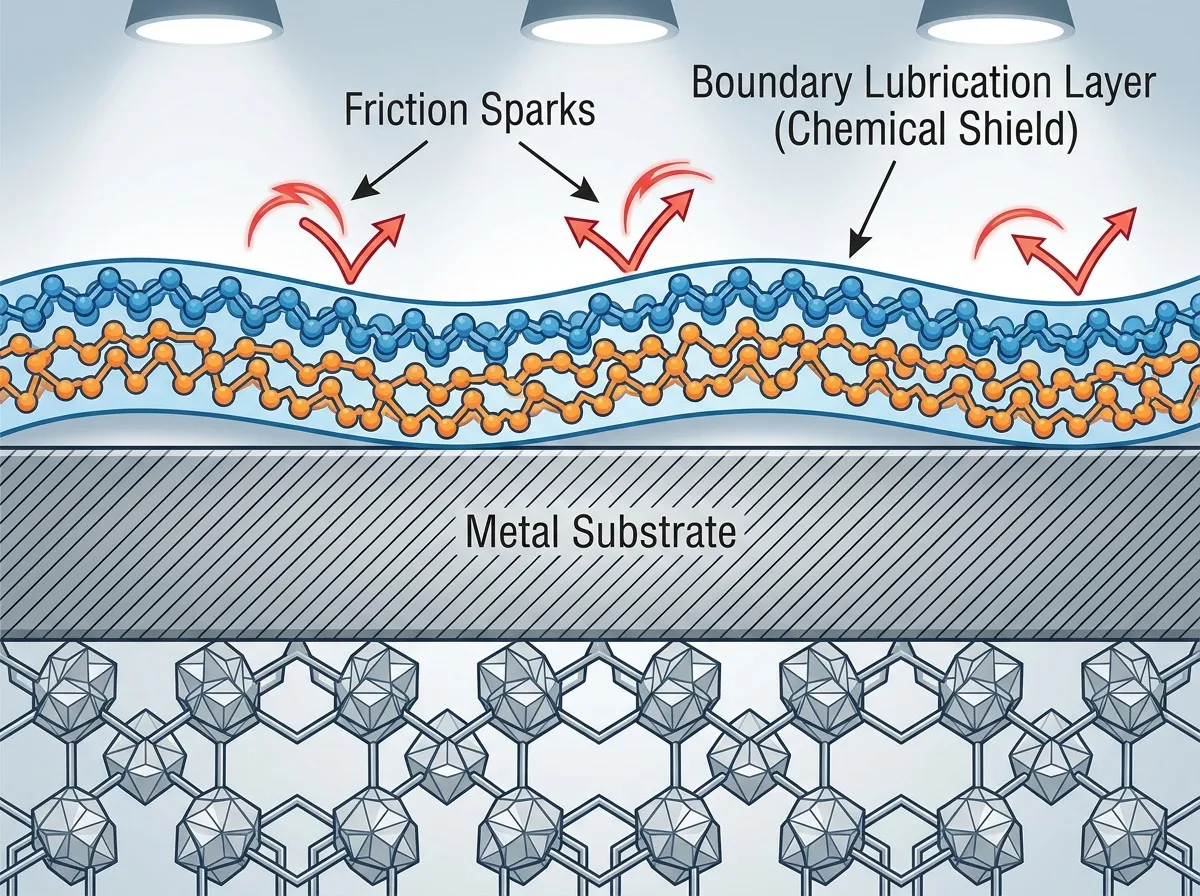
In the modern industrial landscape, where machinery is pushed to higher speeds, greater loads, and more extreme temperatures, the science of lubrication has moved far beyond simple friction reduction. Today, the integrity of high-value equipment—from massive wind turbine gearboxes to precision automotive engines—depends on a sophisticated class of chemical components: Extreme Pressure (EP) and Antiwear (AW)…
-
T3661 Extreme Pressure Anti-Wear Additive
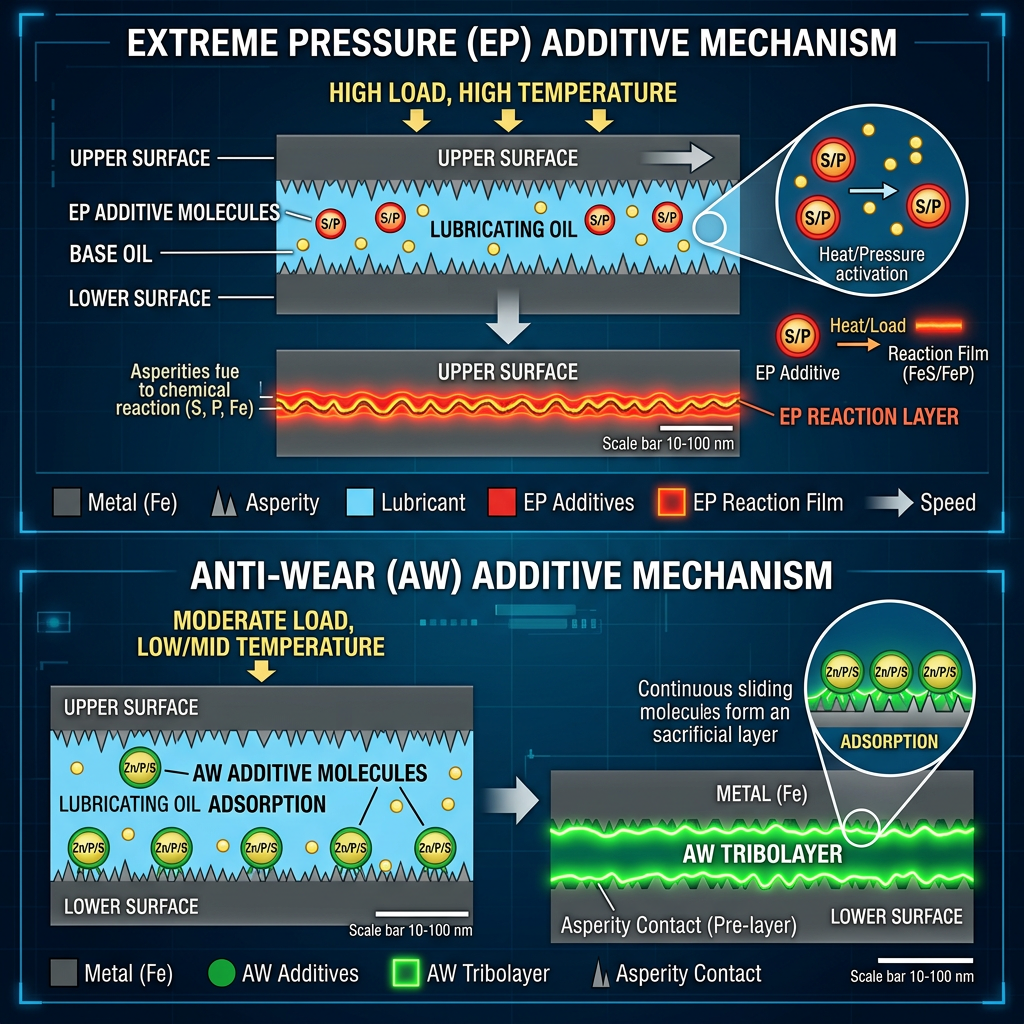
Product Introduction T3661 is made by using special compounds to thicken high-quality synthetic oil, and adding various additives such as antioxidants, rust inhibitors, extreme pressure agents, anti-wear agents, and flame retardants. It is then refined through a special process, with excellent anti-wear and extreme-pressure properties. Product Features Technical Specification Item Typical Value Test Method Appearance…
-
Determination of air release value of lubricating oil
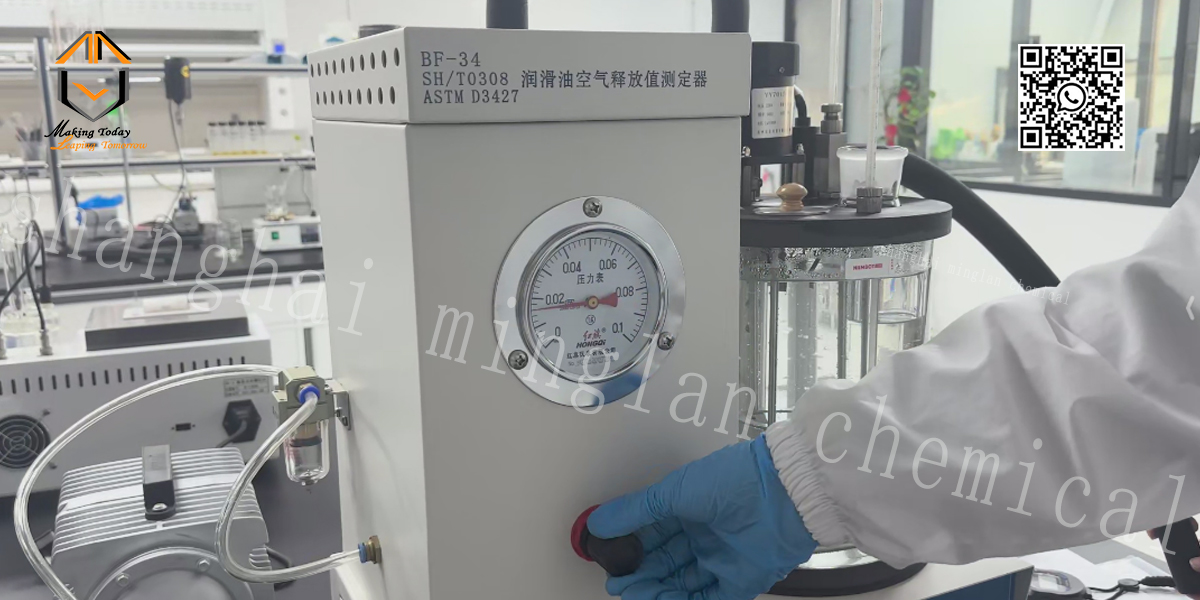
Determination of Air Release Value of Lubricating Oil (ASTM D3427 / ISO 9120) 🔹 Purpose of the Test The air release value measures how quickly entrained air is released from a lubricating oil after being subjected to aeration. This property is critical for: ✅ Hydraulic oils – Prevents air bubbles that affect hydraulic performance✅ Turbine…
-
Standard test method for rust-preventing characteristics of inhibited mineral oilin the presence of water
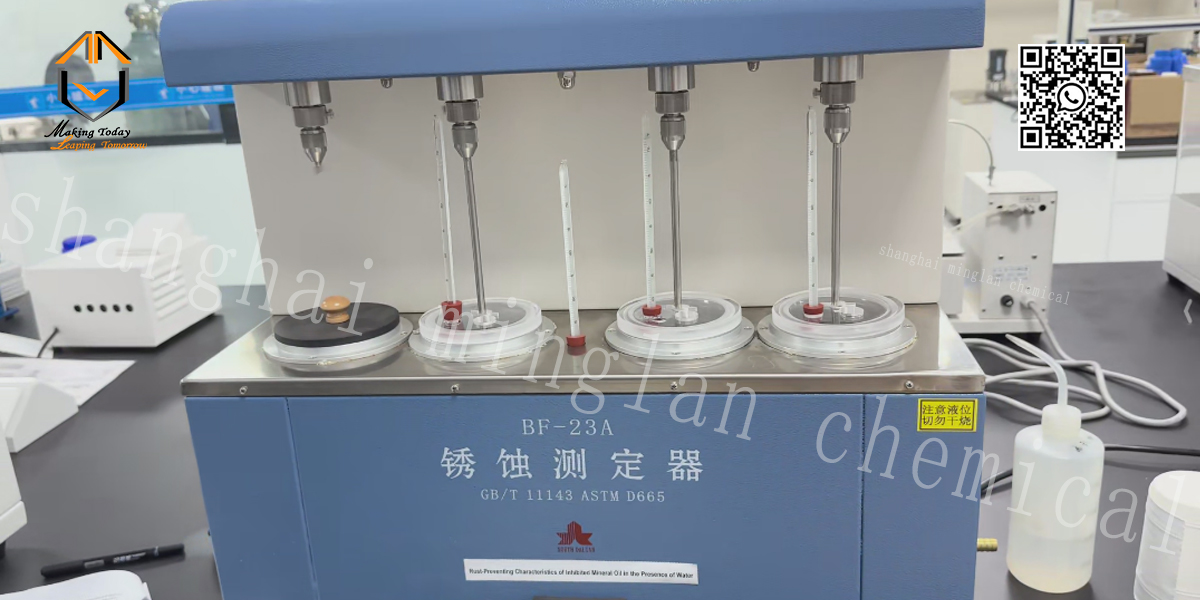
Standard Test Method for Rust-Preventing Characteristics of Inhibited Mineral Oil in the Presence of Water (ASTM D665 / ISO 7120) 🔹 Purpose of the Test This method evaluates the rust-preventing characteristics of inhibited mineral oils, such as lubricating oils, hydraulic fluids, and turbine oils, when mixed with water. It determines whether an oil can protect…
-
Determination of base value of petroleum products (perchloric acid potentiometric titration method)
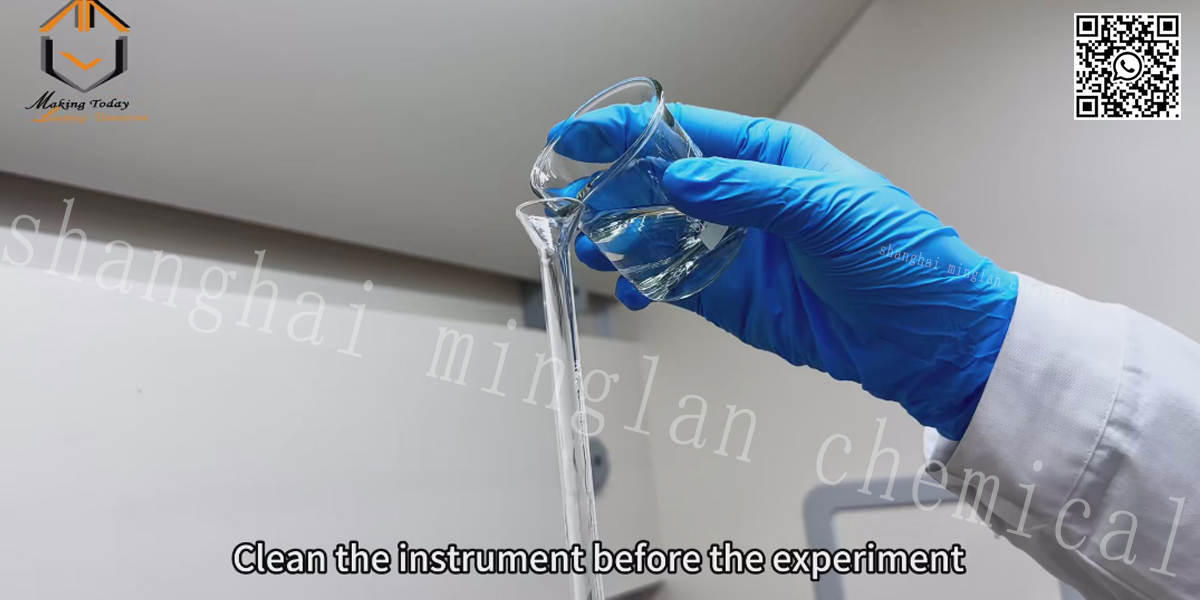
Determination of Base Number (BN) in Petroleum Products – Perchloric Acid Potentiometric Titration Method (ASTM D2896) The Base Number (BN) of a petroleum product measures its ability to neutralize acidic contaminants that form during combustion and oxidation. The Perchloric Acid Potentiometric Titration Method (ASTM D2896) is a precise technique for determining BN in lubricants, engine…
-
Lever type four-ball friction testing machine

A lever-type four-ball friction testing machine is a specialized tribological test device used to measure the anti-wear, extreme pressure (EP), and friction-reducing performance of lubricants, greases, and additives under high-load conditions. It operates based on the Four-Ball Wear Test principle, but with a lever arm mechanism for applying load. ⚙️ Basic Principle: 🧪 Key Test…
-
Chemiluminescence nitrogen analyzer
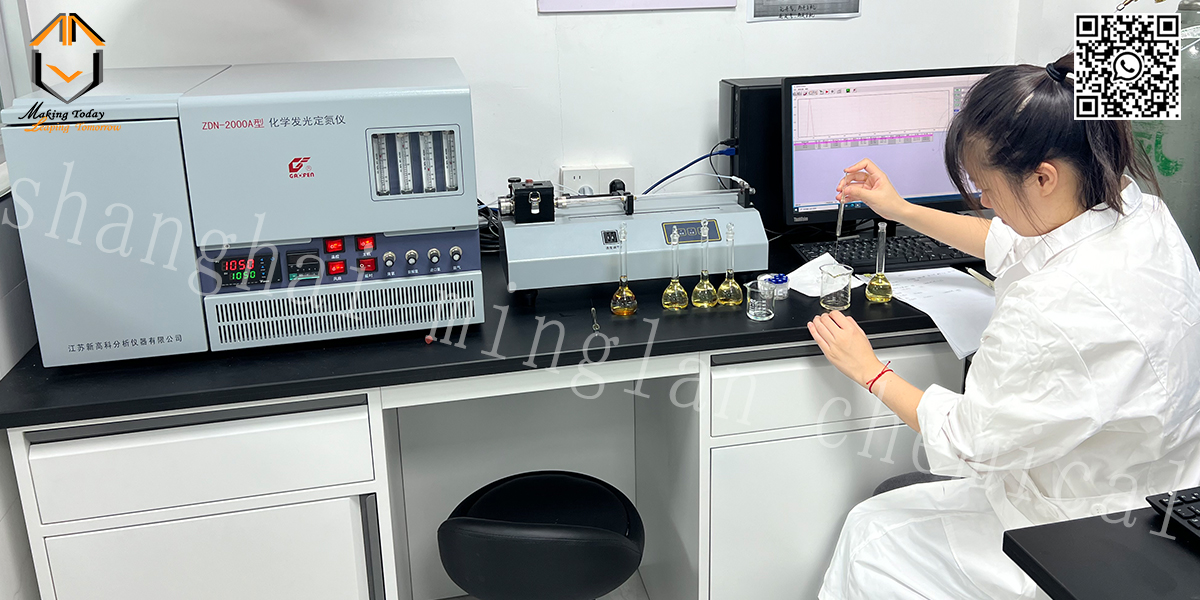
Chemiluminescence Nitrogen Analyzer (CLNA) – Principle & Applications A Chemiluminescence Nitrogen Analyzer (CLNA) is used to measure total nitrogen (TN) content in petroleum products, lubricants, fuels, and other organic materials. It is widely applied in quality control, fuel research, and environmental testing. 1. Key Applications ✅ Lubricants & Fuel Analysis: Determines nitrogen content in diesel,…