
-
Sodium Ethyl Xanthate Supplier: Specs, Assay and Shipping Reality
How to buy sodium ethyl xanthate: assay and moisture limits, free alkali, granule versus powder, self-heating dangerous goods shipping, shelf life and supplier qualification.
-
Pour Point Depressant Supplier: PAMA and T701 Grades for Low-Temperature Flow

How to source pour point depressants: PAMA versus T701 chemistry, response curves, CCS and MRV pitfalls, base oil sensitivity, incoming goods specification and supplier qualification.
-
ZDDP Additive Supplier: T202 and T203 Grades for Engine Oil Blending
How to source ZDDP: T202 and T203 grades, primary versus secondary alkyl, zinc and phosphorus assay, phosphorus limits, incoming goods tests and supplier qualification.
-
Thionocarbamate Collector: Dialkyl Chemistry for Selective Copper Flotation

Thionocarbamate collectors explained: IPETC, Z-200 and allyl grades, selectivity versus xanthate, dosage and pH practice, and supplier specifications.
-
Hydraulic Oil Demulsibility Additive Supplier: Solving Emulsion in AW Systems

Why hydraulic oil emulsifies, how ASTM D1401 measures demulsibility, which additives control water separation and how to qualify a demulsibility additive supplier.
-
Dithiophosphate Collector Supplier: Choosing the Right Aerofloat Grade

How to select a dithiophosphate collector grade and qualify a supplier: aerofloat types, selectivity versus xanthate, specification checks and packaging.
-
The Science of Pour Point Depressants: Optimizing Low-Temperature Fluidity in Lubricants

In the demanding world of lubrication engineering, temperature is one of the most formidable variables. While high-temperature stability often captures the headlines, the ability of a lubricant to remain fluid in sub-zero environments is equally critical for machinery health. At the heart of this capability lies a specialized class of additives known as the pour point…
-
The Essential Guide to Additive for Lubricant: Science, Taxonomy, and Formulation Mastery

In the modern world, friction is the silent enemy of industrial efficiency. From the high-speed turbines of power plants to the heavy-duty engines of transcontinental freight, the performance of machinery hinges not just on the base oil, but on the sophisticated chemistry of the additive for lubricant. While base oil provides the foundational fluid film, it…
-
Comprehensive Guide to Engine Oil Additive Packages: Science, Standards, and Customization
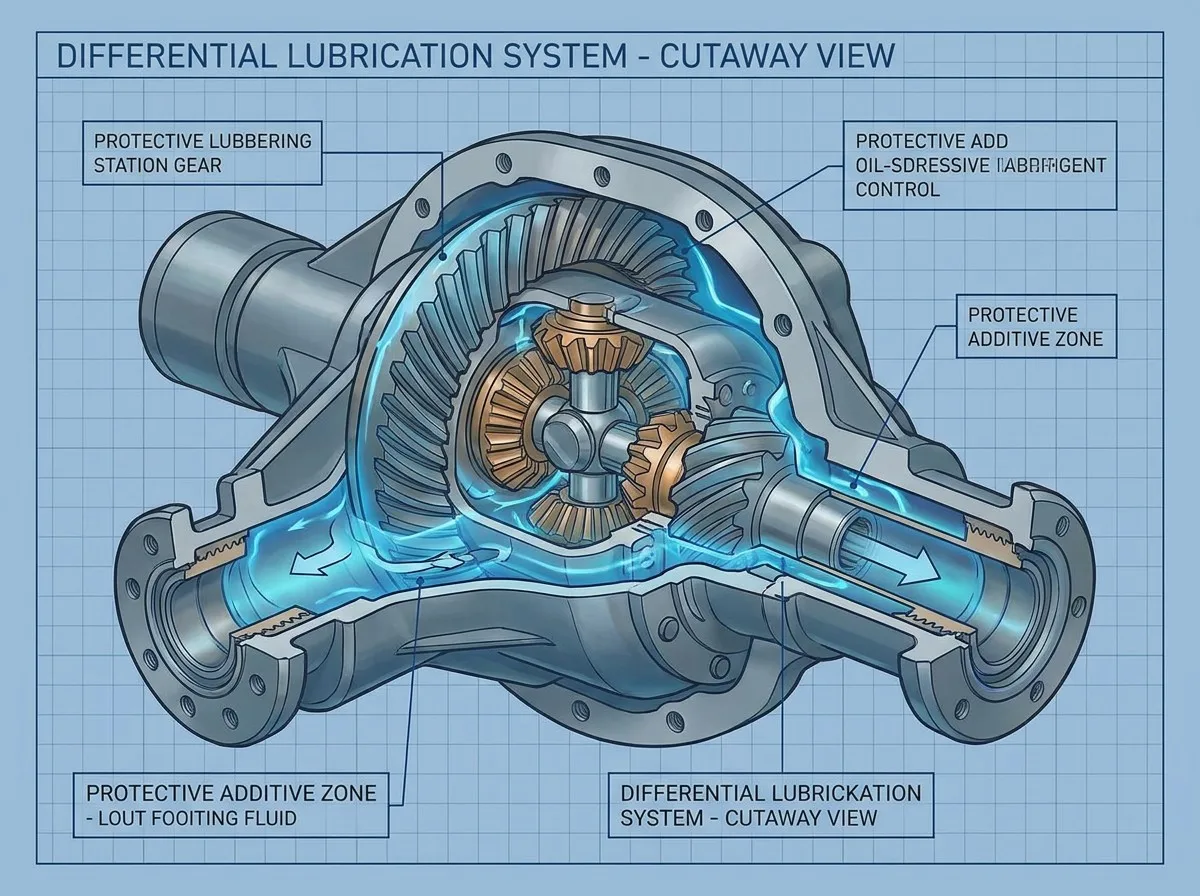
In the intricate world of automotive engineering, the lubricant is often described as the “lifeblood” of the engine. However, if base oil is the blood, then the engine oil additive package is the immune system and the brain. Base oil alone, whether mineral or synthetic, cannot withstand the extreme thermal, oxidative, and mechanical stresses of a modern…
-
The Definitive Guide to Extreme Pressure Antiwear Additives: Mechanics, Synergy, and Industrial Excellence
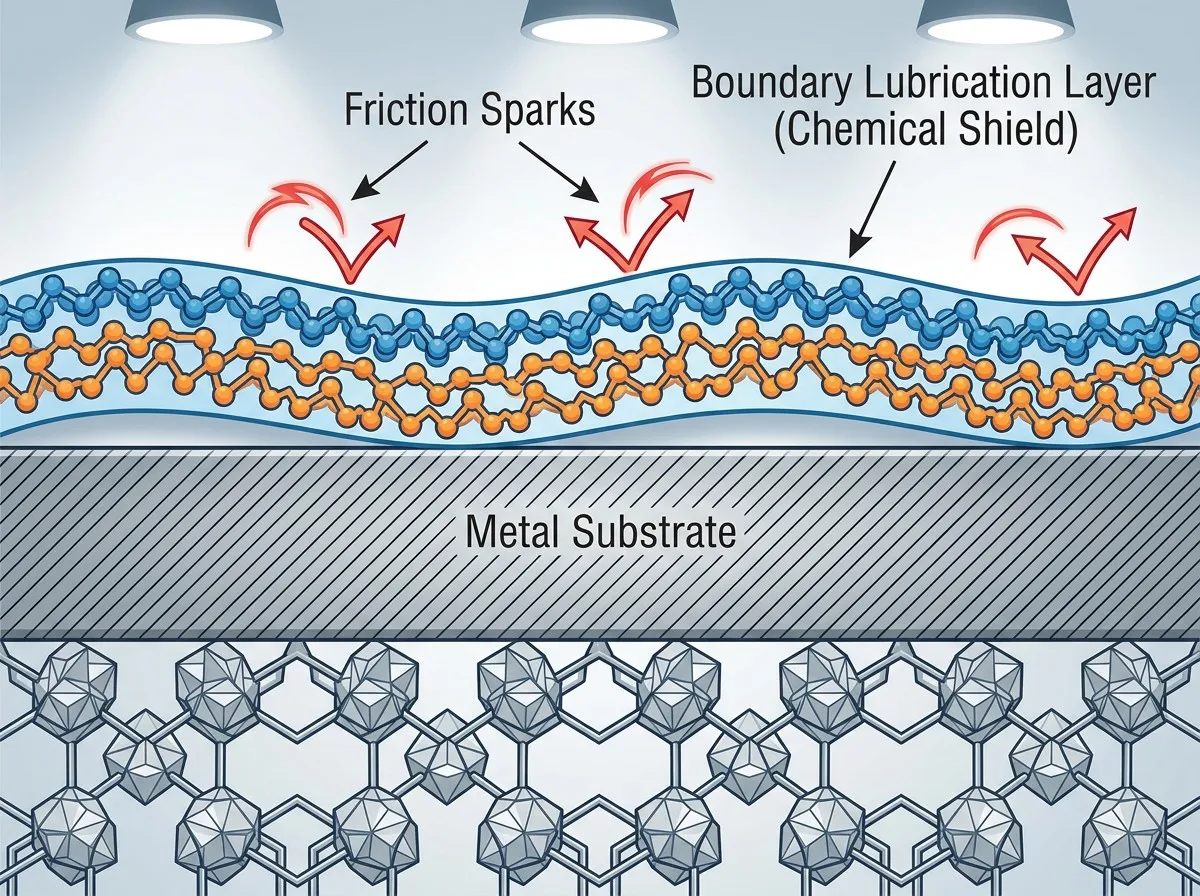
In the modern industrial landscape, where machinery is pushed to higher speeds, greater loads, and more extreme temperatures, the science of lubrication has moved far beyond simple friction reduction. Today, the integrity of high-value equipment—from massive wind turbine gearboxes to precision automotive engines—depends on a sophisticated class of chemical components: Extreme Pressure (EP) and Antiwear (AW)…